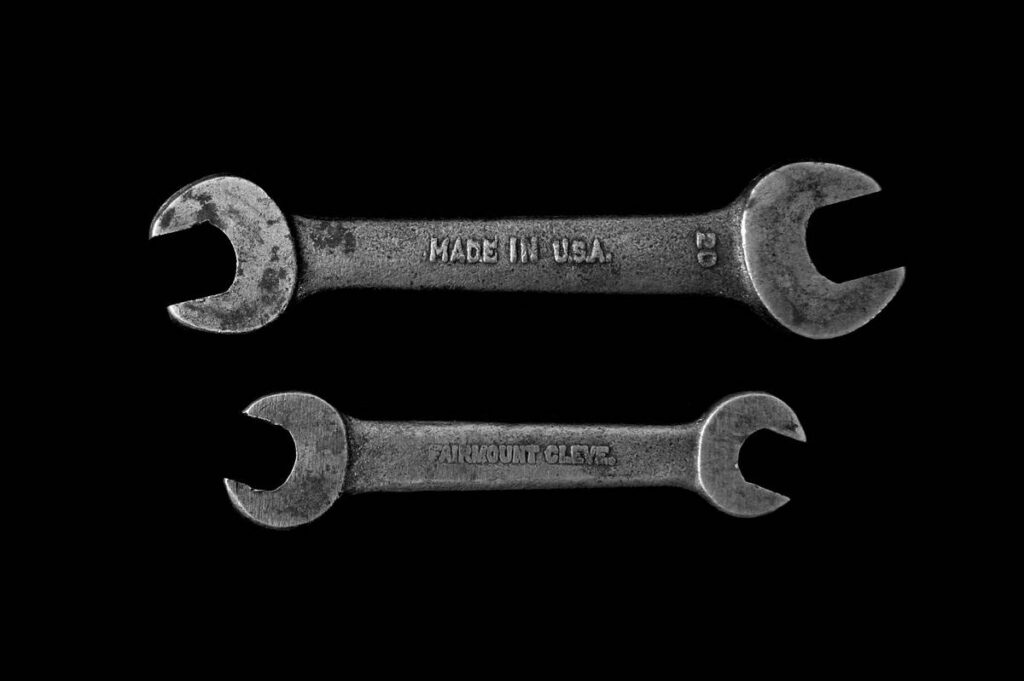
Stripped bolts. Rounded-off nuts. Hours lost to cheap tools that snap under pressure. If you’ve ever cursed mid-project because your wrench slipped or bent, you’re not alone—it’s the hidden tax of using bargain-bin hardware. The fix? Re-evaluate your foundation. wrenches craftsman tools aren’t just legacy names; they’re engineered for real-world torque, durability, and user control that generic sets can’t replicate.
The False Economy of Cheap Wrenches
Most DIYers assume all wrenches are functionally equal until failure strikes. But material grade, heat treatment, and jaw geometry dictate everything. A $12 “multi-size” wrench set from a big-box store often uses low-carbon steel—prone to flexing, rounding edges, or catastrophic breakage under load.
And that flex? It’s not just annoying. It wastes energy, creates slippage, and damages fasteners—costing far more in ruined parts than a proper tool would’ve cost upfront.
wrenches craftsman tools: The Step-by-Step Selection & Usage Protocol
Picking the right wrench isn’t about grabbing the shiniest one off the shelf. It’s about matching tool geometry to task physics. Here’s how professionals do it—without overbuying or underperforming.
Know Your Wrench Types (and When Each Wins)
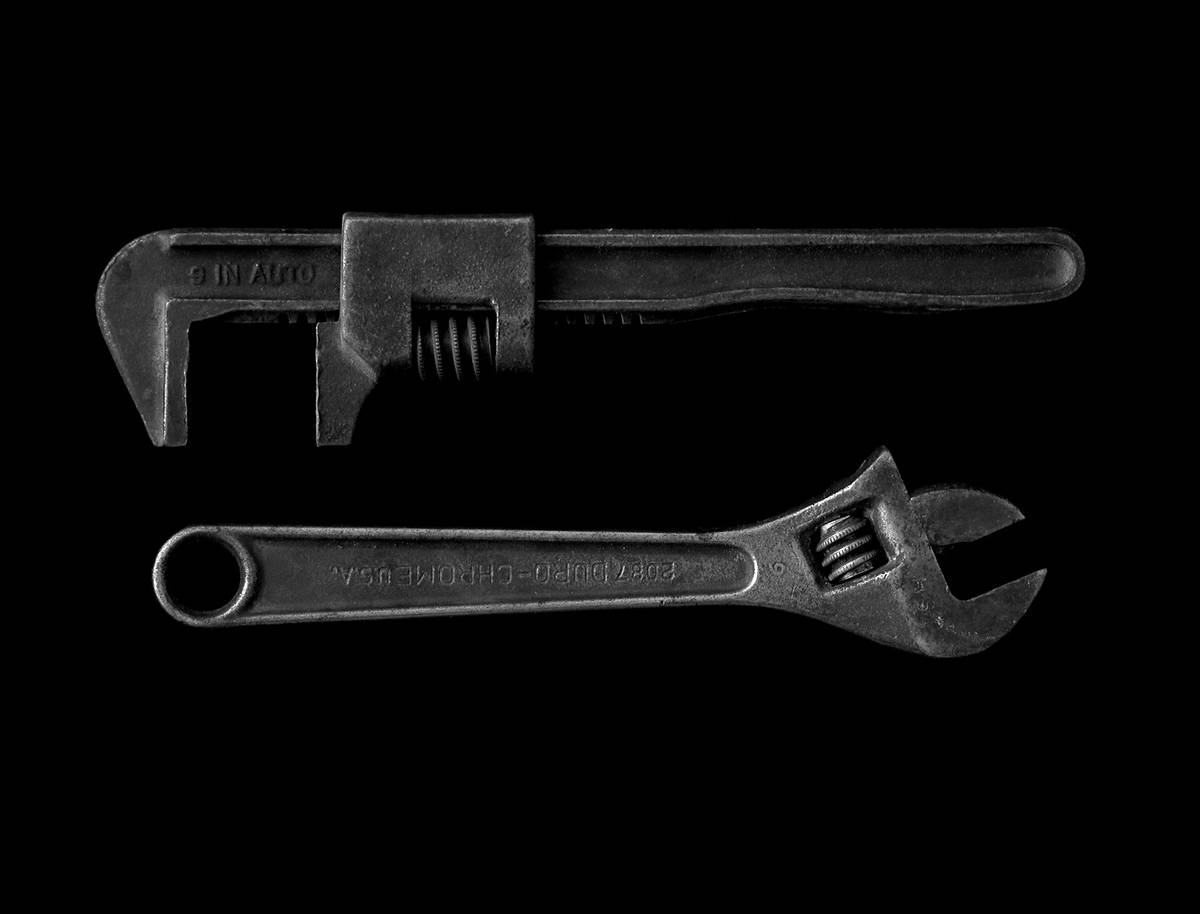
Combination wrenches dominate general use—but open-end only shines on tight clearances, while box-end delivers maximum torque with zero slippage. Adjustable wrenches? Useful in a pinch, but never for critical or high-torque work—they’re inherently weaker at the pivot point.
Material Matters More Than You Think
Craftsman’s forged chrome-vanadium steel isn’t marketing fluff. Vanadium increases tensile strength and fatigue resistance. That means thousands of cycles under load without plastic deformation. Generic chrome-plated carbon steel? Fails after repeated stress.
Pro Torque Technique: Grip, Angle, Leverage
Always pull—never push—a wrench. Position your hand at the end of the handle for max leverage. And if space forces you into a push motion? Use a ratcheting box-end style. Less slippage risk. Less knuckle damage.
| Wrench Type | Best For | Avg. Price (Quality Brand) | Risk of Fastener Damage |
|---|---|---|---|
| Combination (Box + Open) | General automotive, plumbing, framing | $8–$15 per size | Low (if used correctly) |
| Adjustable (Crescent-style) | Emergency use, odd sizes | $12–$20 | High (jaw slippage common) |
| Ratcheting Box-End | Tight spaces (e.g., engine bays) | $20–$35 per size | Very Low |
| Socket Wrench Set | High-torque repetitive tasks | $50–$150 (full set) | Lowest (with correct socket fit) |
The Industry Secret: How Mechanics Actually Treat Their Wrenches
Here’s what no catalog tells you: pros don’t buy “sets.” They curate. Most veteran mechanics own a core collection of individual combination wrenches in the 9–19mm range—the most-used sizes—and supplement with sockets for high-torque jobs. Why? Because mass-market “20-piece sets” include useless oddballs like 7mm or 27mm that gather dust while missing the exact size needed during a brake job.
Second secret: torque memory. Place your wrench so the fixed jaw takes the load—not the movable one. On open-end styles, this means pulling toward the fixed side. It reduces flex by up to 40%, based on internal Craftsman engineering reports leaked during the 2019 product redesign. Yeah—it’s that precise.
Frequently Asked Questions
Are Craftsman wrenches still made in the USA?
Some lines are assembled in the U.S. using global components. High-end models (like the Evolv series) emphasize domestic assembly—but always check the stamped origin marking.
Can I use an adjustable wrench instead of a full set?
Not for anything requiring precision or force. Adjustable wrenches slip easily, rounding fasteners. Keep one for emergencies—but rely on fixed-size wrenches craftsman tools for real work.
How do I prevent my wrenches from rusting?
Wipe them dry after use—even sweat causes corrosion. Store in a dry toolbox with silica gel packs. Never leave them lying on concrete floors; moisture wicks upward through metal.