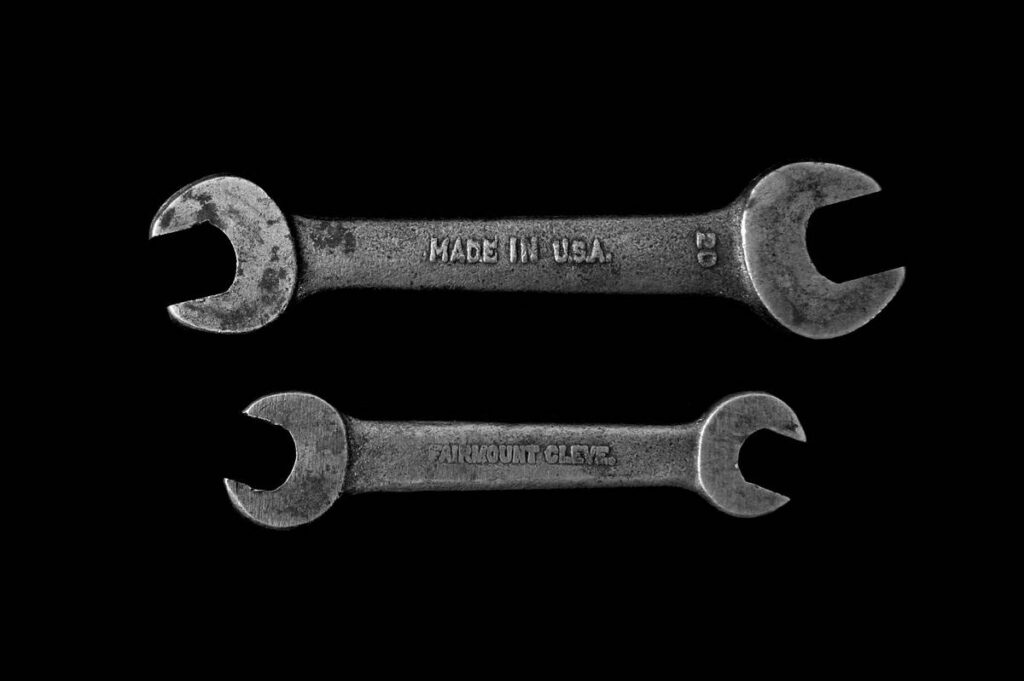
You bought a wrench. Used it once. Now it’s buried under old receipts and expired coupons in your junk drawer. Sound familiar? Most DIYers treat wrenches like afterthoughts—until a bolt won’t budge, or a pipe starts leaking at 2 a.m. The truth? Your entire project hinges on this one tool. And misusing it can cost you time, money, and drywall patches.
Why Most DIY Wrench Attempts Fail (Spoiler: It’s Not the Bolt)
People grab the first wrench they see and crank. That’s how rounded-off nuts are born. Standard adjustable wrenches slip under pressure. Cheap sets flex instead of turning torque into motion. And using pliers “just this once” strips threads faster than you can say “plumber’s invoice.”
The real issue isn’t technique—it’s mismatched geometry. A wrench must match the fastener’s shape exactly. Even a 1mm gap invites slippage. And yet, hardware stores still push generic sets that cover 90% of sizes… but fail on the 10% you actually need today.
DIY Project Wrenche What Is Use: Your Step-by-Step System
Forget “grab-and-go.” Approach wrench work like a pro: assess, select, secure, turn.
1. Diagnose the Fastener Type First
Is it a hex nut? A square-headed bolt? A corroded plumbing union? Each demands a specific jaw profile. Open-end for clear access. Box-end for maximum grip. Socket for confined spaces. Never guess.
2. Size Matters—More Than You Think
A wrench labeled “10mm” might actually measure 10.2mm due to manufacturing tolerances. That tiny gap is your enemy. Test-fit before applying force. If it wobbles—even slightly—swap it out.
3. Direction Dictates Motion
Most right-handed threads tighten clockwise. But gas lines, fan blades, and bike pedals often reverse this. Get it wrong, and you’re not loosening—you’re welding the part in place.
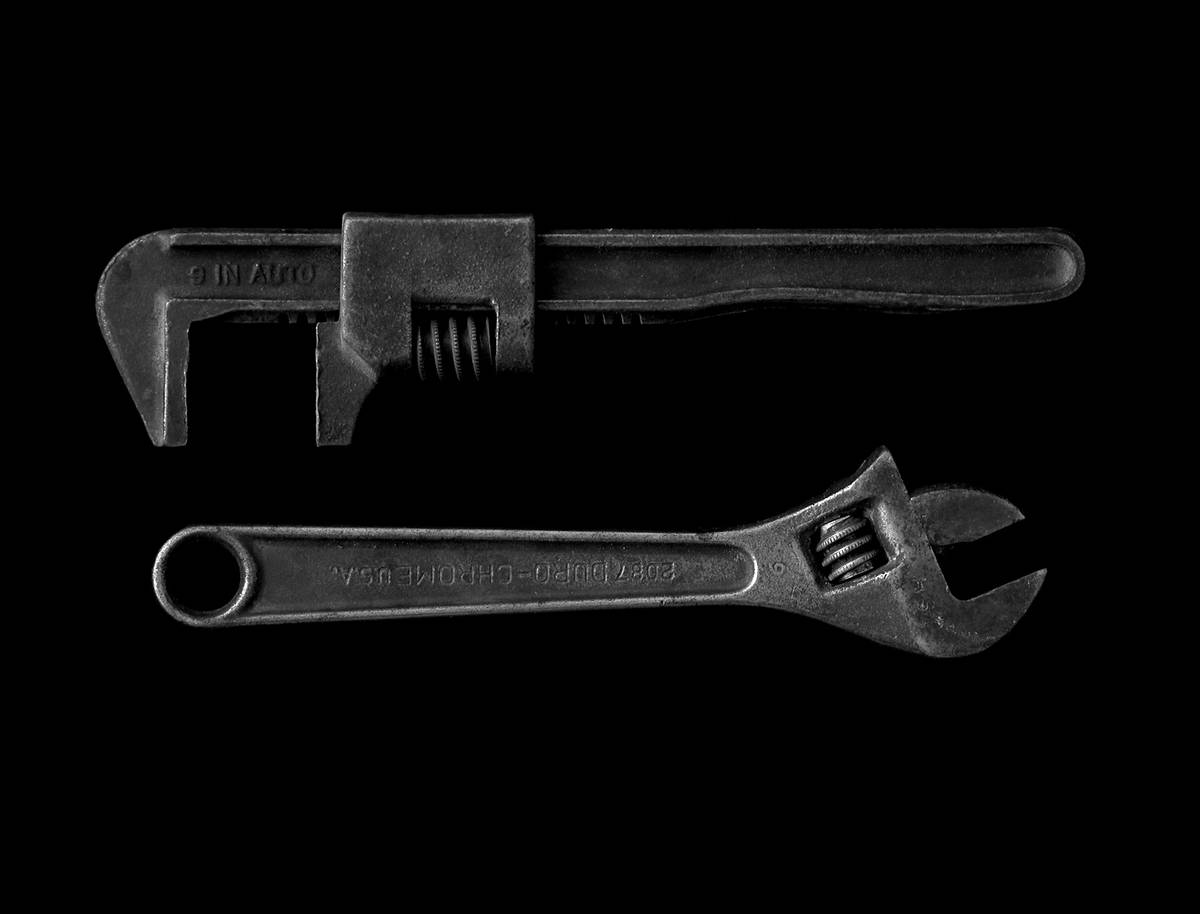
| Wrench Type | Best For | Torque Efficiency | Common DIY Mistake |
|---|---|---|---|
| Adjustable (Crescent) | Emergency use, odd sizes | Low (slips under high load) | Overtightening jaw, causing slippage |
| Combination (Box/Open) | Standard nuts/bolts | High (6-point box grips better) | Using open end on high-torque jobs |
| Socket Wrench | Deep or recessed fasteners | Very High (full contact) | Skipping extensions, forcing angle |
| Plumbing (Pipe) Wrench | Round, smooth pipes | Moderate (grips via teeth) | Using on finished surfaces—scratches guaranteed |
The Industry Secret: Wrenches Aren’t Just for Turning
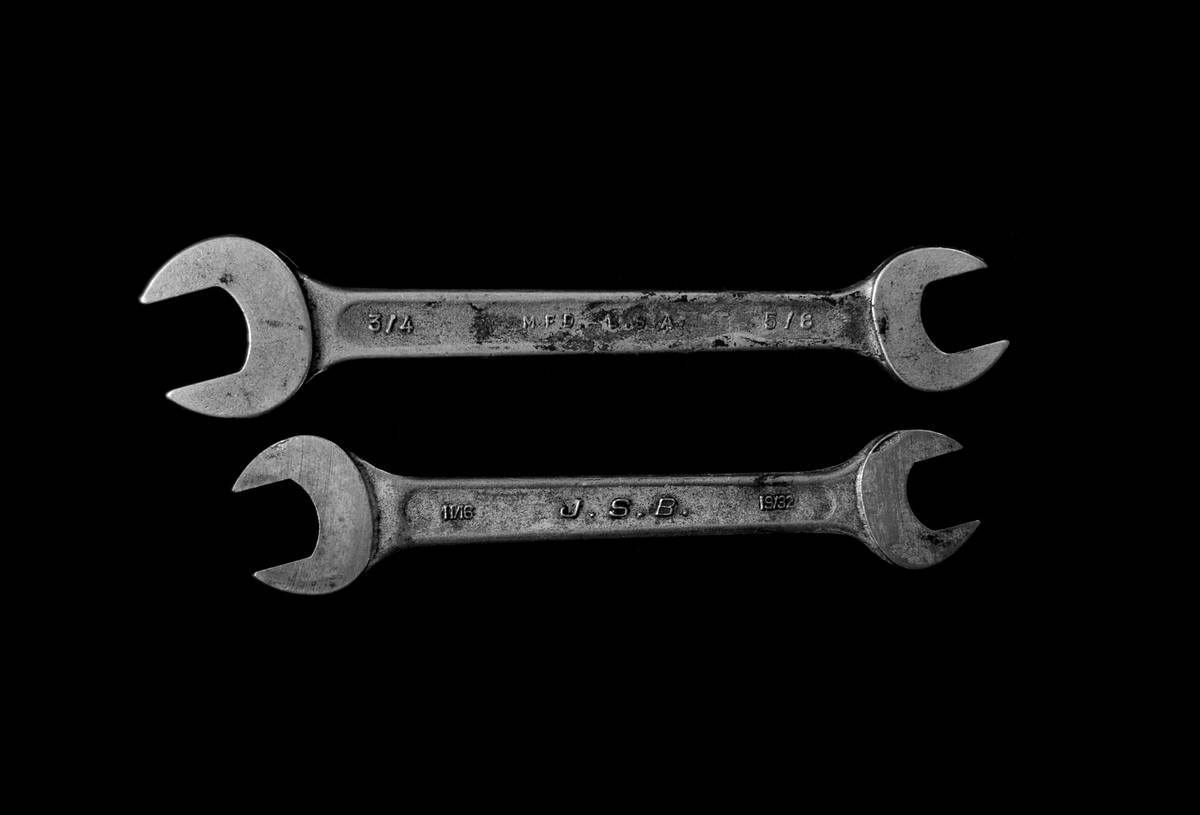
Here’s what pros won’t tell you: your wrench can be a precision measuring tool. Need to verify a bolt size but lost the calipers? Slide combination wrenches over the shank—each box end corresponds to a standard metric or SAE size. No guesswork.
And that slight “give” when tightening? Listen to it. A healthy bolt makes a crisp metal-on-metal sound. A groan means thread damage or cross-threading. Stop immediately. Back off. Realign. This auditory feedback prevents 80% of stripped projects—and it costs zero extra tools.
FAQ
What is the main use of a wrench in DIY projects?
A wrench applies torque to fasteners—nuts, bolts, pipes—to tighten or loosen them without damaging their shape, unlike pliers or hammers.
Can I use an adjustable wrench for all DIY tasks?
No. Adjustable wrenches lack the precise fit needed for high-torque jobs. They’re fine for light work but risk slippage and rounding on anything demanding serious force.
How do I choose the right wrench size?
Match it exactly to the fastener’s flat-to-flat measurement. If the wrench doesn’t slide on smoothly with minimal play, it’s the wrong size—keep testing.