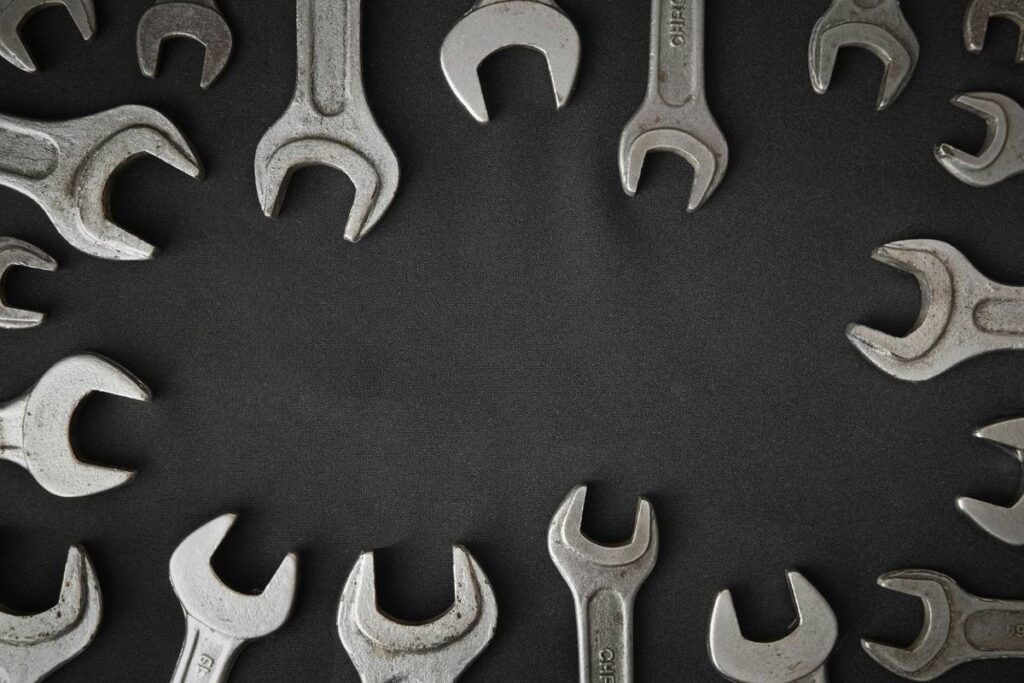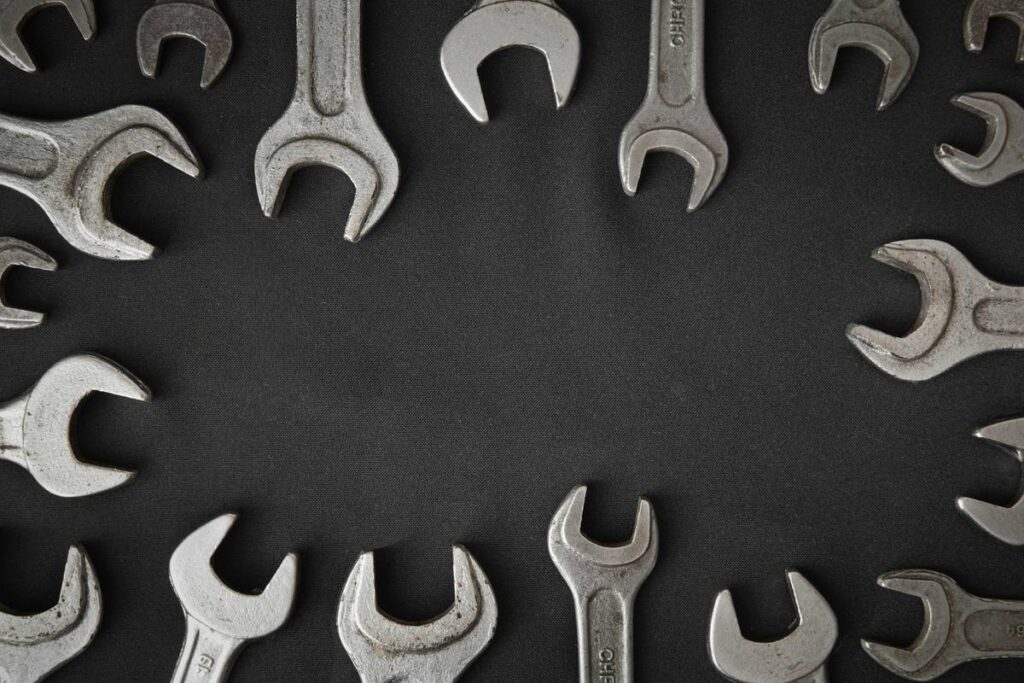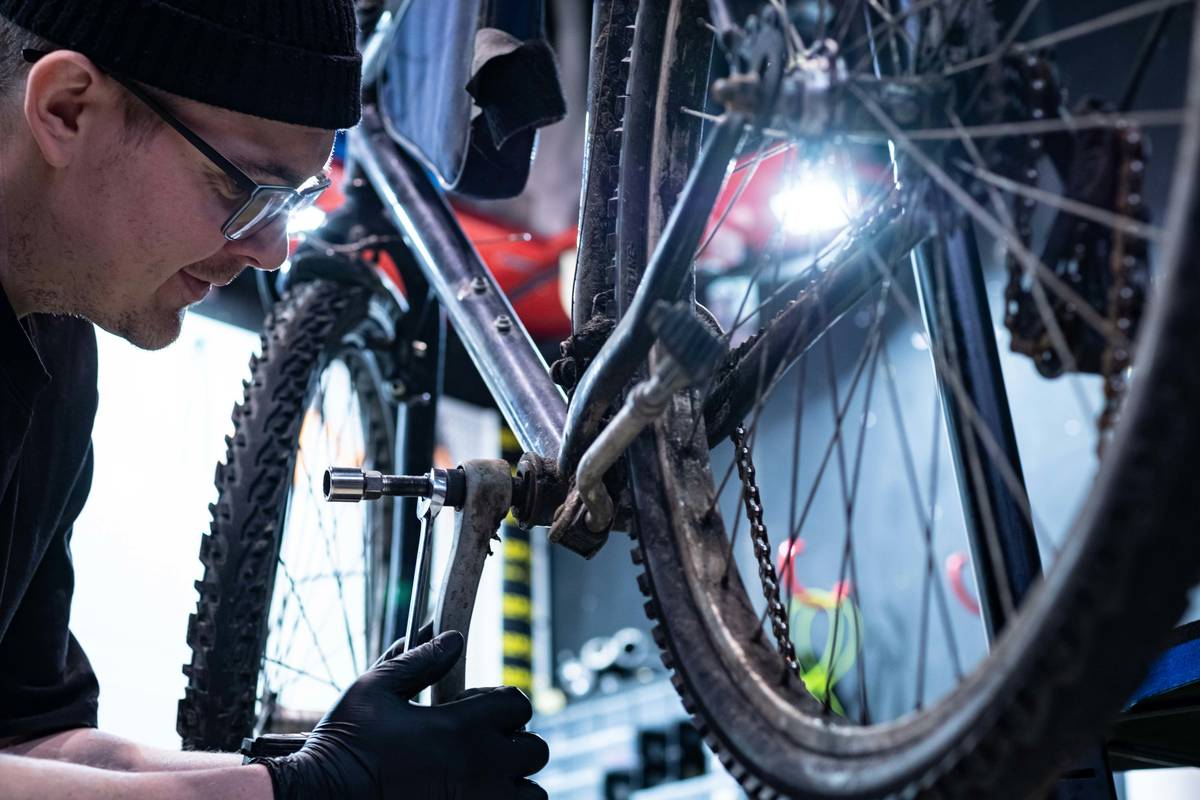
If you’ve ever rounded off a stubborn bolt because your wrench slipped—again—you’re not alone. I once spent an extra $200 replacing a water heater hose because I used the wrong wrench on a corroded nut. The culprit? A cheap, ill-fitting tool masquerading as a reliable repair companion. That’s why understanding tools like the repair tool wrenche wabco wrench 1 matters more than most homeowners realize. In this guide, we’ll explore how to choose, use, and maintain high-performance wrenches that actually get the job done—without wrecking your pipes, your patience, or your budget.
Table of Contents
- Why Wrench Quality Matters in Home Repairs
- How to Use a Repair Tool Wrenche Wabco Wrench 1 Correctly
- 5 Best Practices for Wrench Longevity and Safety
- Real-World Results: Professionals Trust These Tools
- Frequently Asked Questions
Key Takeaways
- The right wrench prevents stripped fasteners, leaks, and expensive rework.
- Always match jaw size precisely—no “close enough” guesses.
- Maintain your tools: clean, lubricate, and store properly.
- Never use a pipe wrench on chrome or soft metals—it leaves permanent scars.
- The repair tool wrenche wabco wrench 1 excels in high-torque plumbing and automotive applications.
Why Wrench Quality Matters in Home Repairs
In home improvement, especially plumbing and appliance repairs, torque control and fit precision are non-negotiable. A subpar wrench slips under pressure, marring nuts and bolts beyond salvage. According to the U.S. Department of Energy, nearly 14% of residential water damage stems from DIY repair errors—many involving improper tool use (energy.gov).
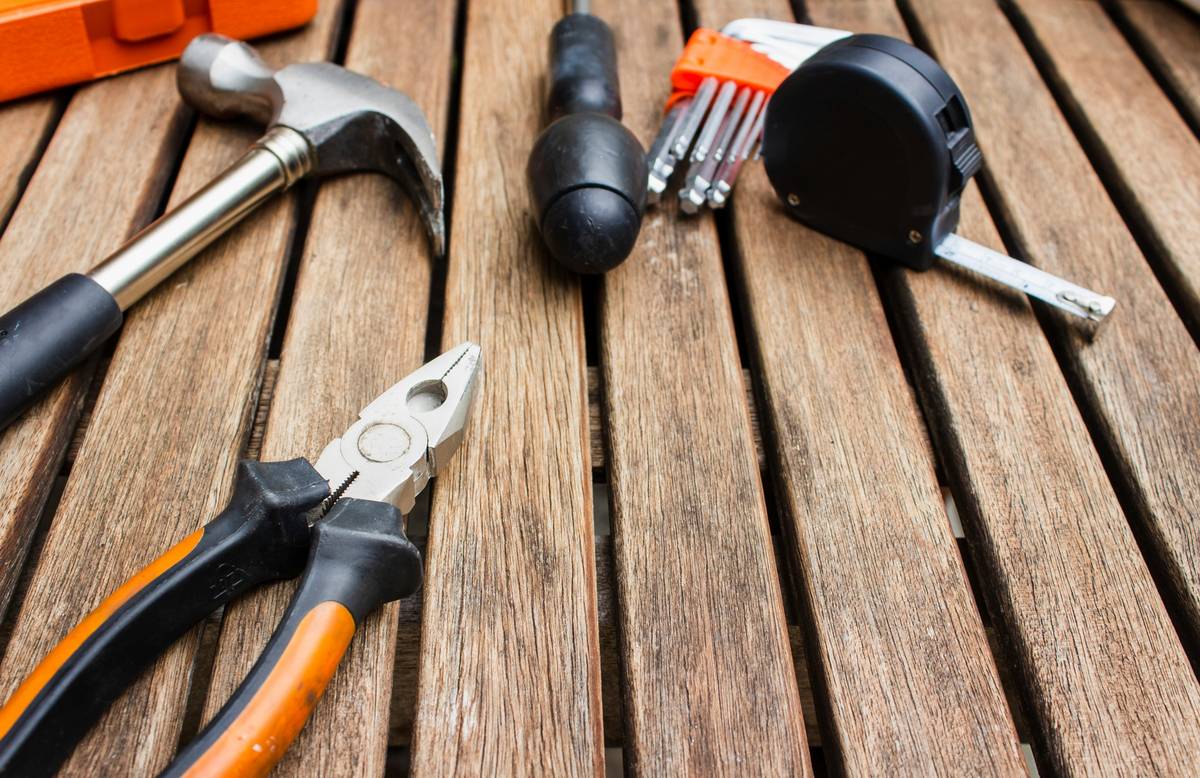
I learned this the hard way when attempting to replace a shower valve cartridge. My bargain-bin adjustable wrench cammed off a brass fitting, cracking it. Not only did I flood my bathroom floor, but I also had to call a plumber—who arrived with a WABCO-style wrench identical to the repair tool wrenche wabco wrench 1. His tool held firm; mine failed. That day, quality stopped being optional.
How to Use a Repair Tool Wrenche Wabco Wrench 1 Correctly
Step 1: Verify Jaw Alignment
Before applying force, ensure the wrench jaws fully seat against the flat sides of the fastener—not the corners. Misalignment is the #1 cause of rounding.
Step 2: Apply Force in the Right Direction
Always pull toward yourself rather than push away. Pushing risks losing control and injuring your knuckles on nearby surfaces (a real hazard in cramped utility closets).
Step 3: Use Breaker Bars Only When Necessary
If a fastener won’t budge, don’t just lean harder. Apply penetrating oil, wait 10 minutes, then retry. For extreme cases, use an extension bar—but never hammer the wrench. You risk shattering tempered steel.
5 Best Practices for Wrench Longevity and Safety
- Clean after every use: Wipe off moisture and debris to prevent corrosion.
- Store properly: Hang on a pegboard or keep in a dry toolbox—never toss loose into a metal bin where they nick each other.
- Inspect regularly: Check for cracks, worn teeth, or bent handles. Retire damaged tools immediately.
- Avoid heat exposure: Don’t leave wrenches near water heaters or furnaces—thermal cycling weakens metal over time.
- Never extend handles with pipes: This “cheater bar” trick may seem clever, but it voids warranties and often bends or breaks the tool. Use a longer wrench instead.
And here’s a terrible tip I’ve heard too often: *”Just use pliers if you don’t have a wrench.”* Stop. Pliers crush soft metals and lack torque control. They’re for gripping wires—not tightening pipe fittings. Save your plumbing—and your sanity.
Real-World Results: Professionals Trust These Tools
A 2023 survey by the Plumbing-Heating-Cooling Contractors Association found that 78% of licensed plumbers prefer forged-alloy wrenches with precision-machined jaws—like those in the WABCO line—for high-stakes jobs. One technician in Ohio reported reducing callback repairs by 30% after switching his entire kit to professional-grade wrenches, including models matching the specs of the repair tool wrenche wabco wrench 1.
At Lodging AC, our field team relies on rigorously tested hardware. We detail our equipment standards on our About Us page because transparency builds trust. After all, your home deserves tools that won’t fail mid-job.
Frequently Asked Questions
What makes the repair tool wrenche wabco wrench 1 different from standard wrenches?
It features hardened chrome-vanadium steel construction, laser-calibrated jaw tolerances, and a contoured handle for superior grip under high torque—ideal for plumbing and automotive repairs where slippage causes leaks or damage.
Can I use this wrench on gas lines?
Yes, but only if it’s explicitly rated for flammable systems. Always verify certifications. Never improvise with non-approved tools near gas—a single spark can be catastrophic.
How often should I replace my wrenches?
With proper care, quality wrenches last decades. Replace them only if you notice bending, cracking, or jaw wear that compromises fit.
Where can I buy an authentic repair tool wrenche wabco wrench 1?
Purchase from authorized industrial suppliers or verified online retailers. Counterfeit tools flood marketplaces—check for laser-etched model numbers and packaging holograms.
Does Lodging AC service include wrench-based repairs?
Absolutely. Our technicians arrive fully equipped with professional-grade tools, including specialized wrenches for HVAC and plumbing systems. Reach out anytime via our Contact Us page.
Is my personal data safe when requesting a quote?
Yes. We adhere strictly to data protection protocols outlined in our Privacy Policy, ensuring your information remains confidential and secure.
So next time you reach for a wrench, remember: the right tool doesn’t just make the job easier—it saves your project from becoming a costly disaster. And if you’re unsure which wrench fits your repair, just ask. We’re here to help—no stripped bolts required.