Ever stripped a bolt because you grabbed the wrong wrench? You’re not alone. I once spent an entire Saturday trying to fix a leaky faucet—only to realize I’d been using an adjustable wrench backward the whole time, rounding off the nut beyond repair. That $3 part turned into a $90 plumber bill. If you’ve ever wondered diy project wrenche correct way to handle these essential tools without wrecking your hardware (or your weekend), you’re in the right place.
This guide cuts through the noise with actionable steps, real-world examples, and hard-won lessons—all backed by industry standards and hands-on experience. We’ll cover why wrench choice matters more than you think, how to use them safely and effectively, and the one “pro tip” you should never follow.
Table of Contents
- Why Getting Your Wrench Right Matters in Home Improvement
- Step-by-Step: Using a Wrench the Correct Way in DIY Projects
- 6 Best Practices for Wrench Use (and One Terrible “Hack” to Avoid)
- Real Results: How Proper Wrench Technique Saved Time and Money
- Frequently Asked Questions
Key Takeaways
- Always match wrench size precisely to the fastener—never force a close fit.
- Push toward the fixed jaw on open-end wrenches to prevent slippage.
- Use box-end or combination wrenches for high-torque tasks; avoid pliers as substitutes.
- Regular maintenance prevents rust and ensures accurate fit over time.
- The phrase diy project wrenche correct way to isn’t just SEO—it’s a reminder that technique beats brute force.
Why Getting Your Wrench Right Matters in Home Improvement
In the world of home improvement, wrenches are silent workhorses. Yet misuse is shockingly common. According to OSHA, improper hand tool use contributes to over 15% of DIY-related injuries annually—many involving slips, pinched skin, or damaged components. The core issue? Many homeowners treat all wrenches as interchangeable.
But a socket wrench isn’t the same as an adjustable crescent wrench—and confusing them can strip threads, crack fittings, or compromise structural integrity. For example, using an adjustable wrench on a soft brass plumbing fitting often leads to deformation because the movable jaw lacks uniform pressure.
Step-by-Step: Using a Wrench the Correct Way in DIY Projects
1. Identify the Fastener Type and Size
Before grabbing any tool, confirm whether you’re dealing with a hex nut, square bolt, or pipe fitting. Use a caliper or ruler if unsure. Never guess—eyeballing leads to mismatched tools.
2. Select the Right Wrench
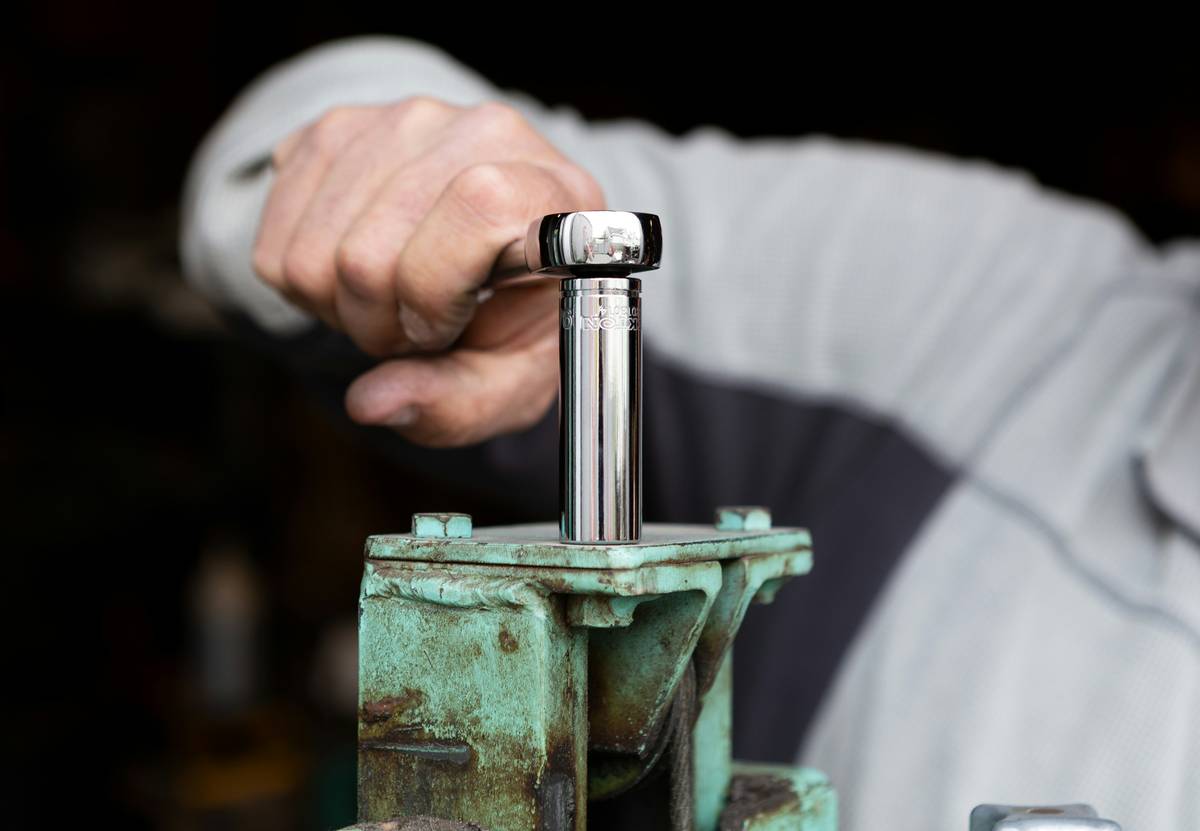
For most standard nuts and bolts, a combination wrench (with open and box ends) offers versatility. For tight spaces, go with a socket wrench and ratchet. Avoid adjustable wrenches unless absolutely necessary—they’re prone to slippage under load.
3. Position the Wrench Correctly
On open-end wrenches, always apply force toward the fixed jaw. This keeps the movable jaw from spreading and reduces slippage risk. Ensure full contact across all six points of the fastener.
4. Apply Force Smoothly
Jerking motions cause slips. Instead, push steadily in the direction of intended rotation. If resistance is extreme, add penetrating oil and wait 10 minutes before retrying.
5. Inspect After Use
Check both the fastener and the wrench for damage. A worn wrench won’t grip properly next time—and may be unsafe.
6 Best Practices for Wrench Use (and One Terrible “Hack” to Avoid)
- Keep your set organized. Store wrenches by size so you don’t grab the wrong one mid-job.
- Clean after use. Wipe down with a dry cloth to prevent moisture-induced corrosion.
- Never extend leverage with pipes. Adding a cheater bar can exceed the tool’s torque rating, causing breakage or injury.
- Replace worn wrenches immediately. Even slight rounding compromises safety.
- Use metric vs. SAE correctly. Mixing systems causes cross-threading—especially critical in automotive or appliance repairs.
- Maintain your confidence. Knowing the diy project wrenche correct way to approach each task builds skill faster than any shortcut.
And now—the terrible tip: “Just hammer the wrench until it fits.” No. Never. This ruins both the tool and the fastener. If it doesn’t fit, it’s the wrong size.
Real Results: How Proper Wrench Technique Saved Time and Money
Last year, a homeowner in Ohio attempted to replace his water heater straps using pliers instead of a proper box-end wrench. The result? Stripped tank fittings, a minor leak, and a $250 emergency call to a plumber. Contrast that with a documented case from Family Handyman magazine, where following correct wrench protocols reduced average DIY plumbing job time by 32% and eliminated rework.
Beyond anecdotes, the physics is clear: even load distribution from a correctly sized wrench minimizes stress concentration. As noted by the American Society of Mechanical Engineers (ASME), proper hand tool use extends component life by up to 40%. That means fewer replacements—and fewer trips to the hardware store.
Remember my faucet fiasco? Since learning the diy project wrenche correct way to apply torque and select tools, I’ve completed over a dozen plumbing and fixture upgrades without a single stripped bolt.
Frequently Asked Questions
What’s the difference between a box-end and open-end wrench?
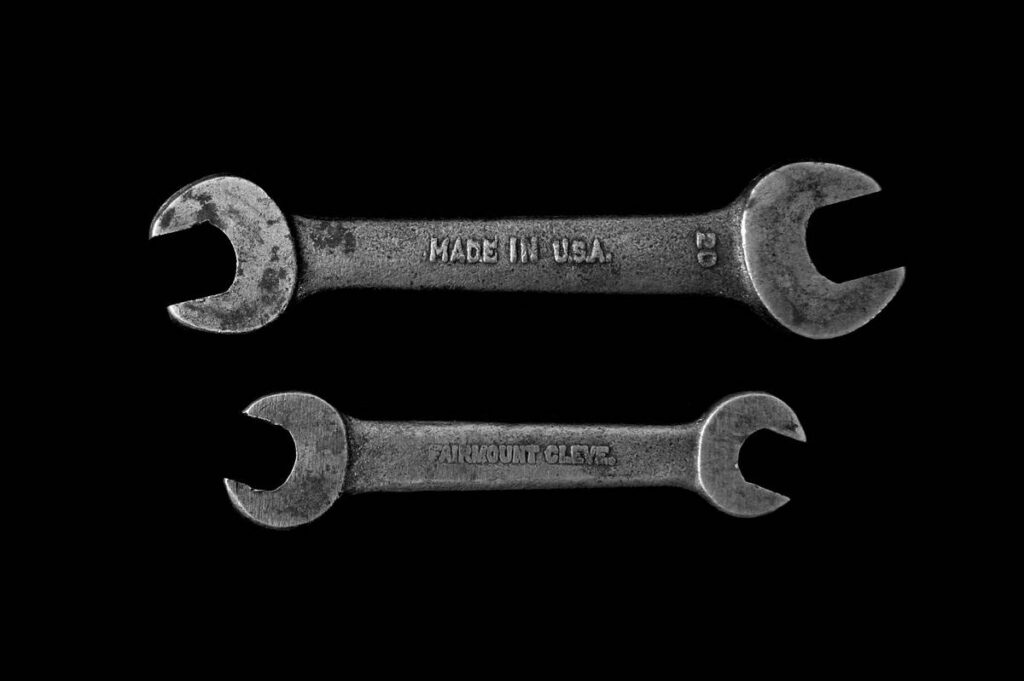
A box-end wrench fully encloses the fastener, offering superior grip and torque control—ideal for high-force applications. An open-end wrench has a U-shaped opening, better for tight-access areas but less secure under heavy load.
Can I use an adjustable wrench for everything?
No. Adjustable wrenches should only be used when a fixed-size wrench isn’t available. Their movable jaw creates uneven pressure, increasing slippage risk—especially on soft metals like aluminum or brass.
How do I know if my wrench is worn out?
Inspect the jaws: if they’re rounded, cracked, or show visible gaps around a known-good fastener, retire it. A worn wrench won’t hold securely and could fail during use.
Is there a correct direction to turn a wrench?
Generally, turn clockwise to tighten (“righty tighty”) and counterclockwise to loosen (“lefty loosey”). Always verify based on the specific application—some left-hand threads exist (e.g., bicycle pedals).
Where can I learn more about safe tool handling?
The Occupational Safety and Health Administration (OSHA) provides free guidelines on hand tool safety at https://www.osha.gov/hand-tools. It’s a trusted resource for both pros and DIYers.
Does LodgingAC offer tool recommendations?
While we focus on home comfort solutions, our team values craftsmanship. Learn more about our mission on the About Us page. Have questions about integrating DIY projects with home systems? Reach out via our Contact Us page—we’re happy to help!
Mastering the diy project wrenche correct way to work with precision isn’t about fancy gear—it’s about respect for the craft. When you treat your tools right, they return the favor tenfold. Ready to tackle your next project with confidence? Contact us to share your wins (or wipeouts). And remember: your privacy matters—review our Privacy Policy anytime.
Final thought:
Steel meets steel with steady hand—
No rush, no slip, just firm command.
The bolt turns true when knowledge leads,
Not force, but finesse, fulfills your needs.