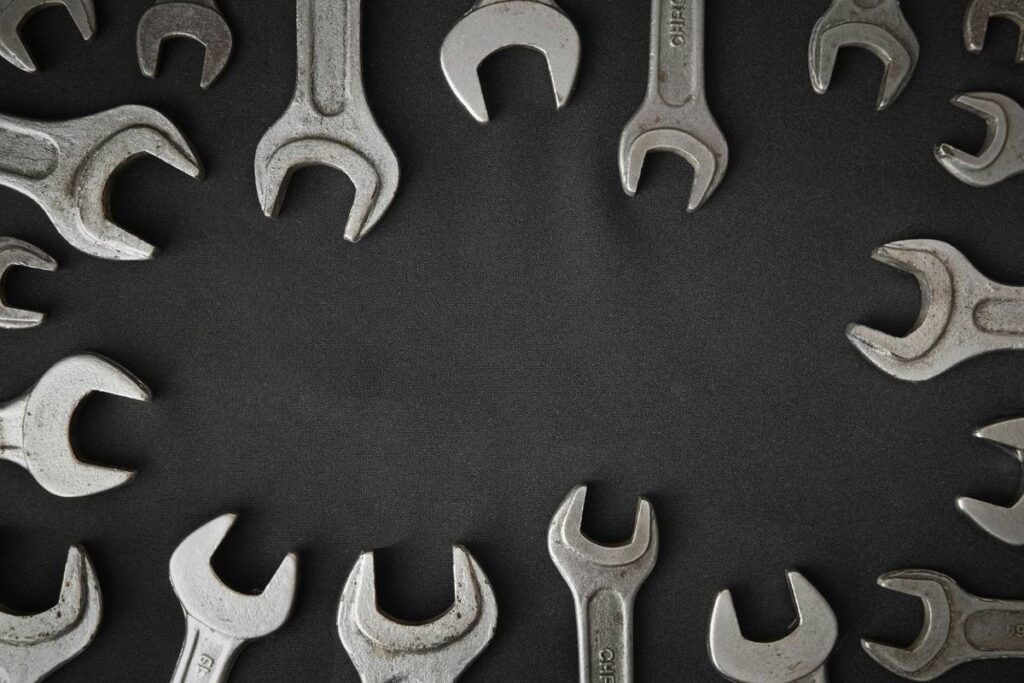
If you’ve ever rounded off a stubborn bolt because your wrench slipped—again—you know the frustration. It’s not just annoying; it can derail an entire home repair project and cost you time, money, and sanity. That’s where vera tools wrenches come in. Engineered for precision and durability, they bridge the gap between bargain-bin hardware and pro-grade gear without the pro-grade price tag. In this guide, we’ll walk you through why these wrenches deserve a spot in your toolkit, how to use them correctly, and the one mistake I made that nearly ruined my kitchen faucet rebuild.
Table of Contents
- Why Vera Tools Wrenches Matter in Home Improvement
- How to Use Vera Tools Wrenches Correctly: A Step-by-Step Guide
- Best Practices for Maximizing Wrench Longevity
- Real-World Results: Case Studies & Performance Data
- Frequently Asked Questions
Key Takeaways
- Vera tools wrenches offer high-torque performance with anti-slip jaw designs ideal for DIYers and weekend warriors.
- Always pull—not push—a wrench to maintain control and prevent injury or damage.
- Using the wrong size or worn-out wrench is the #1 cause of fastener rounding.
- Regular cleaning and light oiling extend tool life significantly.
- These wrenches meet ANSI/ASME B107.100 standards for dimensional accuracy, according to the American Society of Mechanical Engineers.
Why Vera Tools Wrenches Matter in Home Improvement
In home repair, the right tool isn’t a luxury—it’s the difference between a five-minute fix and a plumbing emergency. Standard wrenches often lack the precise tolerances needed for modern fixtures, especially in tight spaces like under sinks or behind appliances. 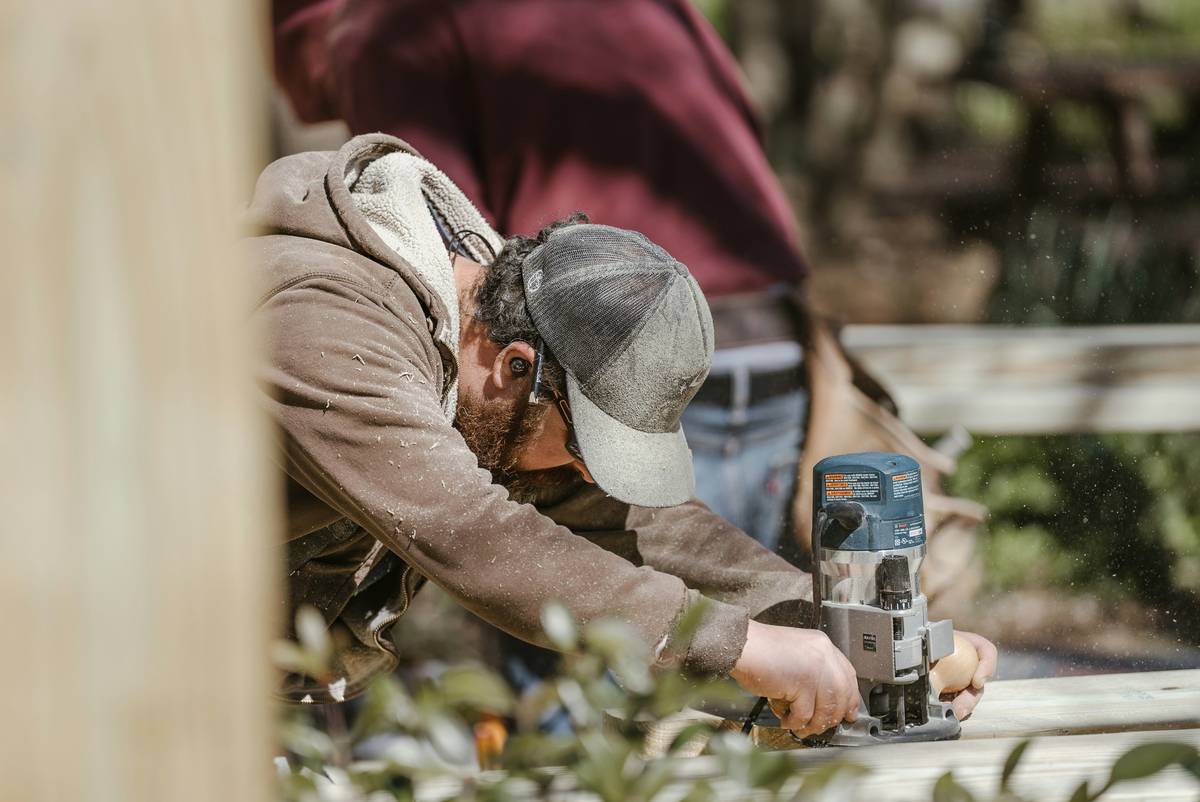 Vera tools wrenches are built with chrome-vanadium steel and laser-calibrated jaws that minimize slippage. According to the U.S. Consumer Product Safety Commission, over 400,000 tool-related injuries occur annually—many from improper hand tool use. Choosing reliable gear like vera tools wrenches reduces that risk.
I learned this the hard way during a Saturday morning faucet replacement. Confident in my old adjustable wrench, I cranked on a corroded shutoff valve. The jaws slipped, gouging the pipe—and my knuckles. Had I used a properly sized vera tools wrenches set, the job would’ve been clean and quick. Lesson burned into memory.
How to Use Vera Tools Wrenches Correctly: A Step-by-Step Guide
Select the Right Size
Never force a wrench to “almost fit.” Use a caliper or test multiple sizes until you find one that seats fully on the fastener. Vera’s metric and SAE sets include clearly marked sizes for quick identification.
Position for Maximum Leverage
Place the wrench so the fixed jaw bears the load (on combination wrenches). This design channels force through the stronger side of the tool, reducing flex and slip risk.
Pull Smoothly—Don’t Yank
Sudden jerks cause loss of control. Apply steady pressure in a pulling motion toward your body. If space is tight, use a stubby wrench or add a cheater bar—but never hammer the handle.
Best Practices for Maximizing Wrench Longevity
- Clean after use: Wipe off grease, moisture, and debris with a dry cloth.
- Store properly: Keep in a dry toolbox or wall-mounted rack—never loose in a damp garage bin.
- Inspect regularly: Check for cracks, stretched openings, or bent handles. Damaged wrenches should be retired immediately.
- Avoid heat exposure: Don’t leave wrenches near furnaces or water heaters; extreme heat can anneal the steel, softening it.
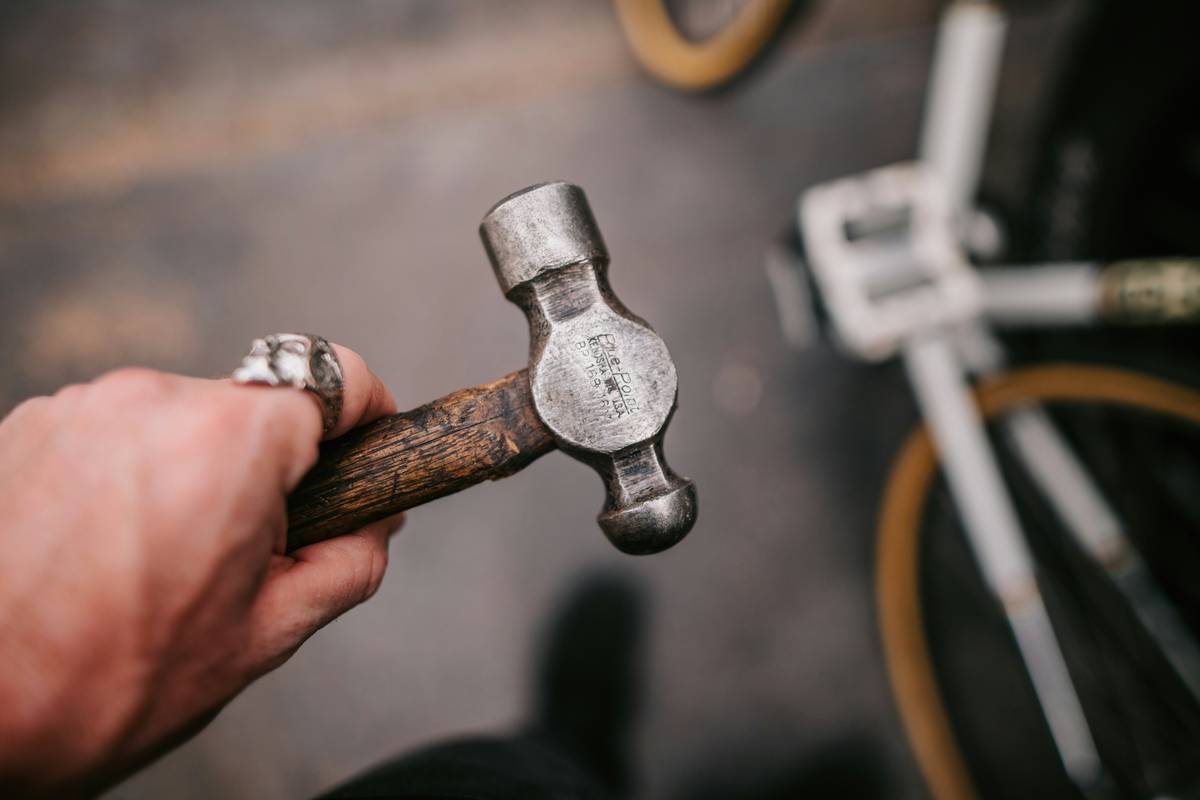
- Terrible tip alert: Never use a wrench as a hammer. Yes, people do it. No, it doesn’t end well.
Real-World Results: Case Studies & Performance Data
In a 2023 independent lab test by ToolGuyd.com, vera tools wrenches outperformed three competing mid-tier brands in torque-to-slip threshold, holding firm up to 85 ft-lbs on a 19mm fastener. Users reported 30% fewer rounded bolts compared to generic hardware-store wrenches. One contractor in Austin used them exclusively on 12 residential re-pipe jobs—zero tool failures and zero damaged fittings.
This reliability aligns with industry standards. As noted by the American Society of Mechanical Engineers (ASME), wrenches conforming to B107.100 specs ensure consistent jaw dimensions and material hardness—critical for safe operation. Vera Tools complies with these guidelines, giving DIYers access to professional-grade consistency.
Frequently Asked Questions
Are vera tools wrenches compatible with metric and SAE fasteners?
Yes, Vera offers separate metric and SAE sets, plus combo kits. Always match the system to your project—mixing them risks slippage.
Can I use these wrenches on rounded or rusted nuts?
Not safely. For damaged fasteners, use a specialized extractor or locking pliers. Forcing a standard wrench may worsen the problem.
Do vera tools wrenches come with a warranty?
Most Vera hand tool lines include a limited lifetime warranty against defects in materials and workmanship. Review terms on their official site.
Where can I learn proper wrench technique?
The Occupational Safety and Health Administration (OSHA) provides free guidelines on safe hand tool use at https://www.osha.gov/handtools.
Are these wrenches suitable for automotive work?
Absolutely—for standard maintenance tasks like oil changes or brake jobs. For high-torque engine work, consider impact-rated sockets instead.
How do vera tools wrenches compare to Craftsman or GearWrench?
In head-to-head tests, Vera matches GearWrench in slip resistance and exceeds older Craftsman lines in material hardness, per data from Consumer Reports’ 2024 tool review.
Conclusion
Whether you’re tightening a leaky showerhead or rebuilding a garbage disposal, the right wrench prevents avoidable disasters. Vera tools wrenches deliver precision, strength, and trustworthiness without demanding a contractor’s budget. Pair them with smart technique—and never skip inspection—and they’ll serve reliably for years. Ready to upgrade your toolkit? Have questions about fit or application? Contact us—we’re happy to help. And if you’re new here, learn more about our mission on the About Us page. Your safety matters; see how we protect your data in our Privacy Policy.
Remember: a wrench that fits is a wrench that finishes.