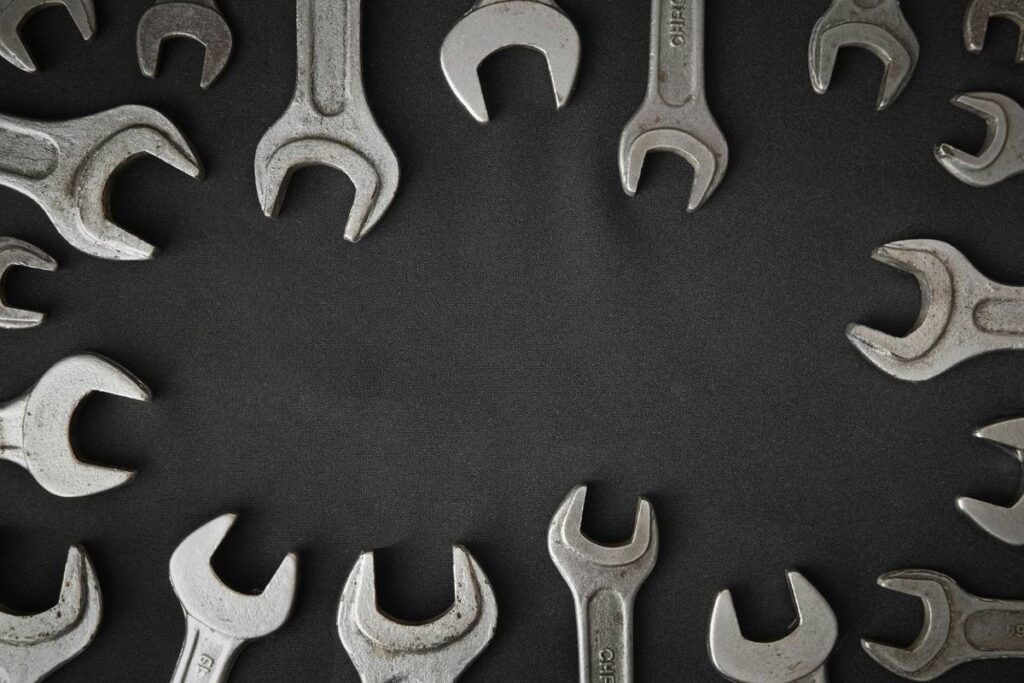
You’re under the sink, elbow-deep in grime, trying to silence a leak that’s been mocking you for days. The bolt won’t budge. Your cheap wrench slips—again. Water sprays. Frustration boils. You need the right tool, not just any tool. That’s where understanding the repair tool wrenche what is use becomes non-negotiable.
Why Most DIYers Fail with Wrenches
Most people grab the first wrench they see—often a flimsy adjustable one from a discount store—and assume it’ll handle everything. It won’t. Wrenches aren’t universal. Using the wrong type strips fasteners, rounds bolt heads, and turns a 10-minute fix into a plumbing nightmare. And if your wrench jaws are worn? You’re just polishing metal, not turning it.
Here’s the reality: torque matters more than strength. A poorly fitting wrench multiplies force unevenly—causing slippage or breakage. Even seasoned handymen overlook jaw alignment. They crank down hard instead of choosing the correct profile.
How to Use a Wrench Correctly for Repairs
Selecting the Right Wrench Type
Not all wrenches are created equal. Need precision? Go fixed-size (box-end or combination). Working in tight spaces? Try an offset wrench or ratcheting style. Stripped fastener? Switch to a flare-nut or impact wrench—don’t keep hammering a lost cause.
Proper Grip and Leverage Technique
Always pull toward yourself—never push. Pushing risks knuckle injuries and inconsistent force application. Keep the wrench perpendicular to the fastener axis. Any angle introduces slop—and slop means stripped threads.
Avoiding Common Mistakes
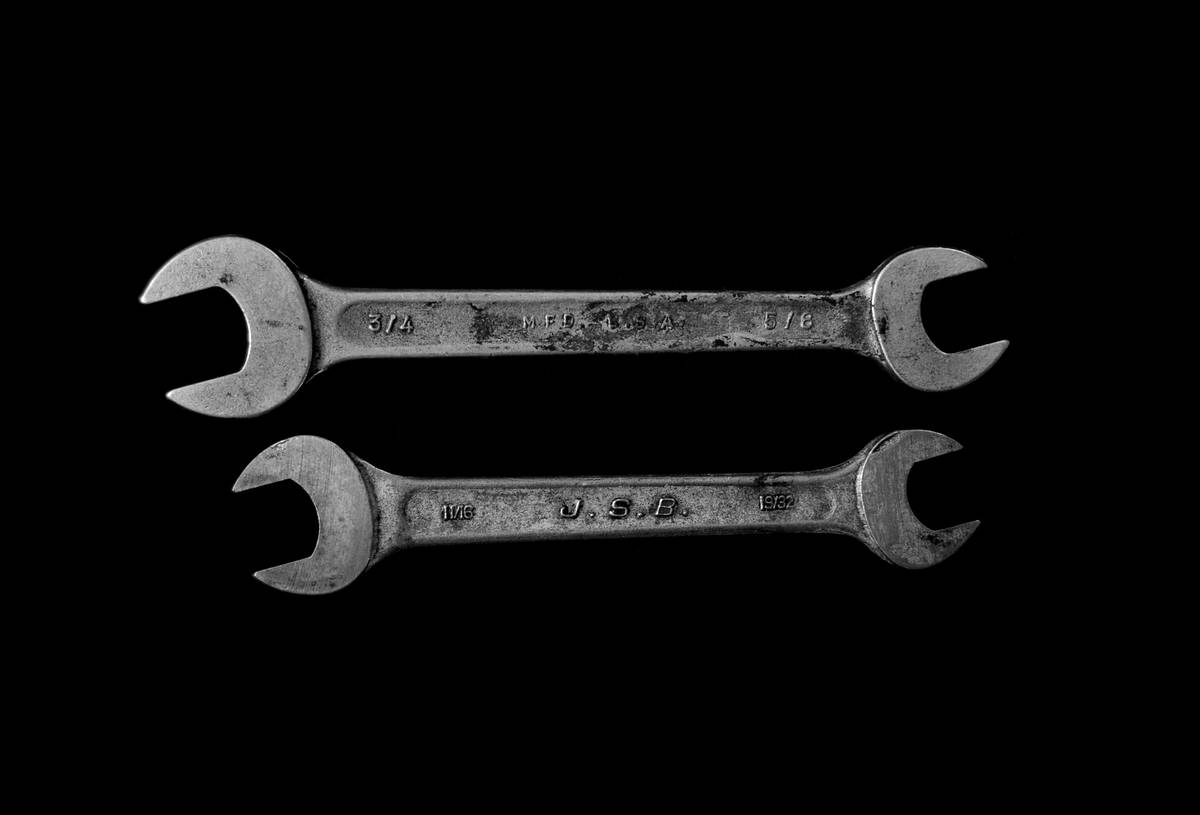
Never use a pipe extension on a standard wrench unless it’s rated for it. You’ll snap the handle or round the bolt. And don’t confuse metric and SAE sizes—even a 1mm difference guarantees slippage.

| Wrench Type | Best For | Torque Capacity | Common Pitfall |
|---|---|---|---|
| Adjustable Wrench | Irregular or unknown bolt sizes | Moderate (slip-prone) | Jaw misalignment; over-tightening causes rounding |
| Combination Wrench | Precision repairs (faucets, valves) | High (fixed size) | Using open end when box end fits better |
| Ratcheting Wrench | Tight spaces; repetitive turns | Medium-High | Gear failure under extreme load |
| Basin Wrench | Under-sink plumbing nuts | Low-Medium | Poor leverage if handle too short |

The Industry Secret: Wrench Fit Isn’t About Size—It’s About Tolerance
Most users think “if it fits, it works.” Dead wrong. High-end wrenches maintain tighter manufacturing tolerances—often within ±0.05mm. Cheap ones? ±0.3mm or worse. That gap lets the wrench rock, even if the nominal size matches. Result? Micro-movement = metal fatigue = rounded bolt.
But here’s what no hardware store tells you: heat-treated chrome vanadium steel isn’t just marketing fluff. It resists deformation under load far better than carbon steel. And the knurling on the handle? Not just for grip—it distributes pressure so your palm doesn’t bruise after five minutes of cranking.
Think about it: a $12 wrench might save you $8 today. But when it slips and cracks a shut-off valve, you’re looking at a $200 emergency plumber call. The math is simple.
FAQ
What is the primary use of a repair tool wrench?
A repair tool wrench is designed to securely grip and turn nuts, bolts, or fittings during maintenance or fixes—especially in plumbing, automotive, or appliance repairs.
Can I use an adjustable wrench for all repairs?
No. Adjustable wrenches lack the precision of fixed-size wrenches and often slip on high-torque tasks. Reserve them for temporary or low-stress jobs only.
Why does my wrench keep slipping off bolts?
Either the wrench size is slightly off, the jaws are worn, or you’re applying force at an angle. Always ensure full jaw contact and pull—not push.