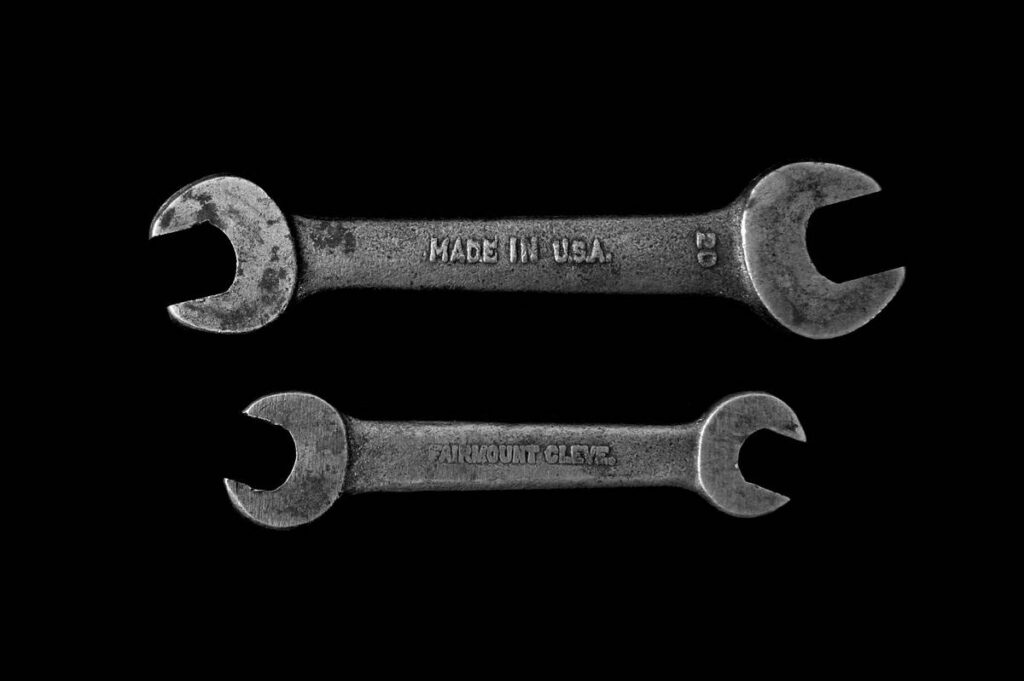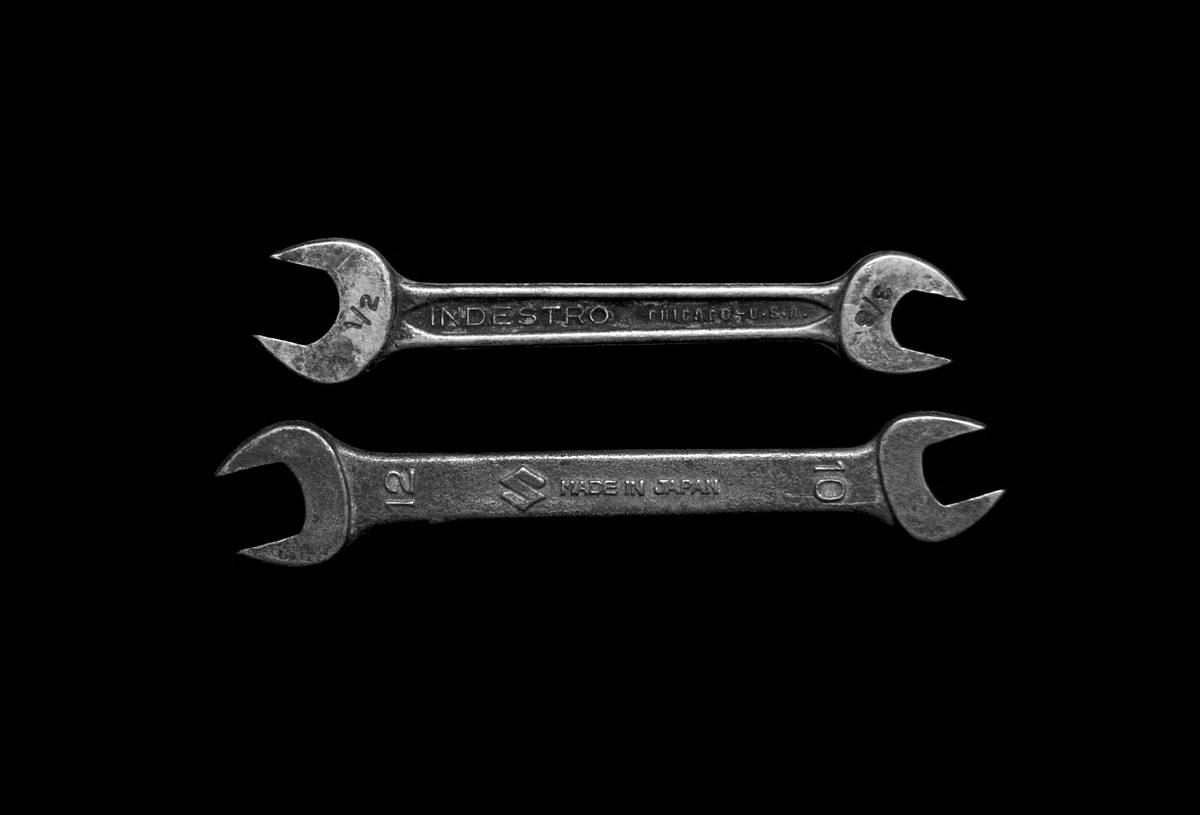
You’re halfway through assembling that patio furniture—sweat dripping, knuckles scraped—and the bolts just won’t budge. You grab whatever’s in the drawer, twist with all your might, and… slip. Again. Frustration mounts. The real issue isn’t your effort—it’s using the wrong tool for the job. Enter the wrench. Not just any wrench. And definitely not one you guessed would work. Here’s how to stop stripping bolts and start finishing projects.
Why Most DIYers Fail with Wrenches (Even When They “Know Better”)
Most home toolkits contain a single adjustable wrench—often worn, imprecise, or misapplied. People assume it’s universal. It’s not. Using an ill-fitting wrench rounds off fastener edges faster than you can say “trip to the hardware store.” And once that happens? Game over. You’re drilling, extracting, or calling a pro.
But here’s the kicker: even seasoned DIYers overlook torque control. Too much force with a long-handled pipe wrench on a soft brass fitting? Say goodbye to your plumbing project. Precision matters more than grunt.
diy project wrenche what is a: Your Step-by-Step Guide to Choosing & Using the Right One
Not all wrenches are created equal. The key is matching the tool to the task—material, space, and force required. Below is a quick-reference guide to avoid common pitfalls.
| Wrench Type | Best For | Avoid Using On | Average Cost (USD) |
|---|---|---|---|
| Combination Wrench (Box/Open-End) | Tight spaces, standard bolts/nuts | Rounded or corroded fasteners | $8–$15 |
| Adjustable Wrench (Crescent) | Quick fixes, unknown sizes | High-torque applications (e.g., lug nuts) | $12–$25 |
| Socket Wrench + Ratchet | Repetitive tightening, automotive work | Confined areas with no socket clearance | $25–$60 (kit) |
| Basin Wrench | Under-sink plumbing, faucet nuts | General mechanical work | $15–$30 |
| Torque Wrench | Precision tasks (e.g., bike frames, engine parts) | Rough DIY jobs like deck assembly | $40–$150 |

How to Measure for Fit (Without Guessing)
Grab a caliper—or even a ruler. Measure across the flats of the nut or bolt head. That’s your size. Don’t eyeball it. A 1/16” mismatch causes slippage. Always use the box end when possible—it grips six points instead of two, reducing rounding risk.
When to Go Metric vs. SAE
Older American cars? Likely SAE (inch-based). Anything imported post-1990s? Probably metric. Mixing them strips threads silently. Keep separate sets—or label clearly. Trust me, your future self will thank you at 11 p.m. during a leak repair.
Pro Tip: Lubricate Before You Wrench
Spray penetrating oil on rusted or seized fasteners. Wait 10 minutes. Tap lightly with a hammer to break corrosion bonds. Now try your wrench. Nine times out of ten, it turns smoothly. No heroics needed.
The Industry Secret: Wrenches Aren’t Just for Turning
Here’s something most hardware stores won’t tell you: wrenches double as precision levers and alignment tools. Need to nudge a pipe flange into place without scratching it? Slide a box wrench behind it and pivot gently—no marring, perfect control. Or use a closed-end wrench as a makeshift spacer when installing shelf brackets to ensure consistent depth. The shape is engineered for stability, not just rotation. And this trick works because metal-on-metal contact distributes force evenly—unlike pliers or hammers. Think beyond torque; think geometry.
FAQ
What is a wrench used for in DIY projects?
A wrench applies torque to nuts, bolts, pipes, and fittings to tighten or loosen them—critical for furniture assembly, plumbing, automotive, and structural tasks.
Can I use pliers instead of a wrench?
Only in emergencies. Pliers crush soft metals and lack flat gripping surfaces, increasing slippage and damage risk. Not recommended for precision or repeated use.
How do I know which wrench size to buy?
Measure your most-used fasteners first. Start with a 6-piece combination set (SAE or metric) covering 7mm–19mm or 1/4”–3/4”. Expand based on project needs.