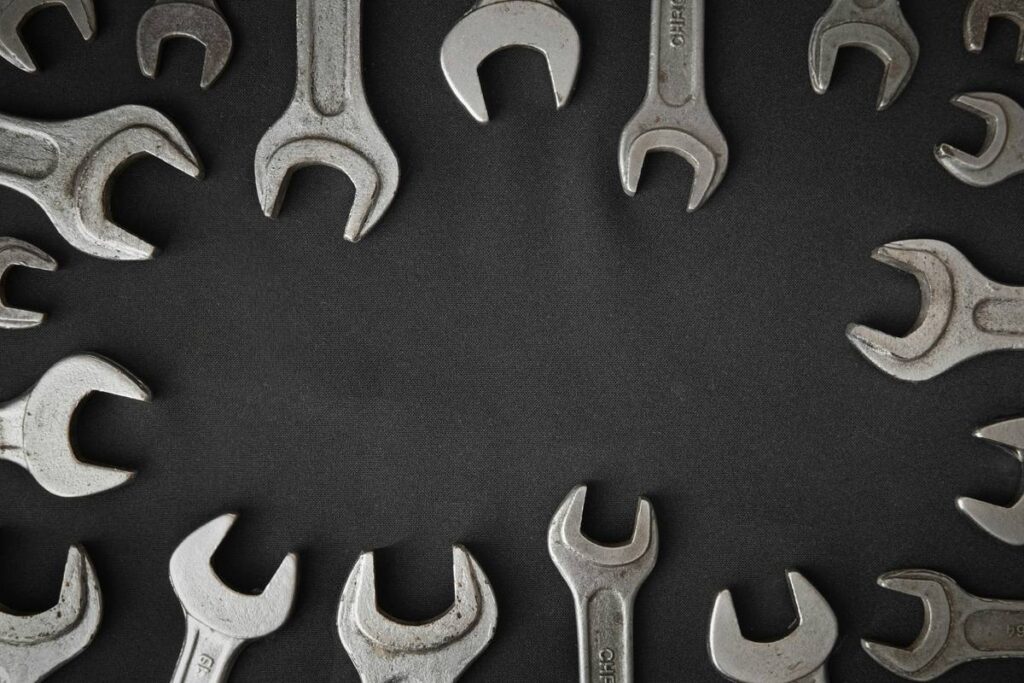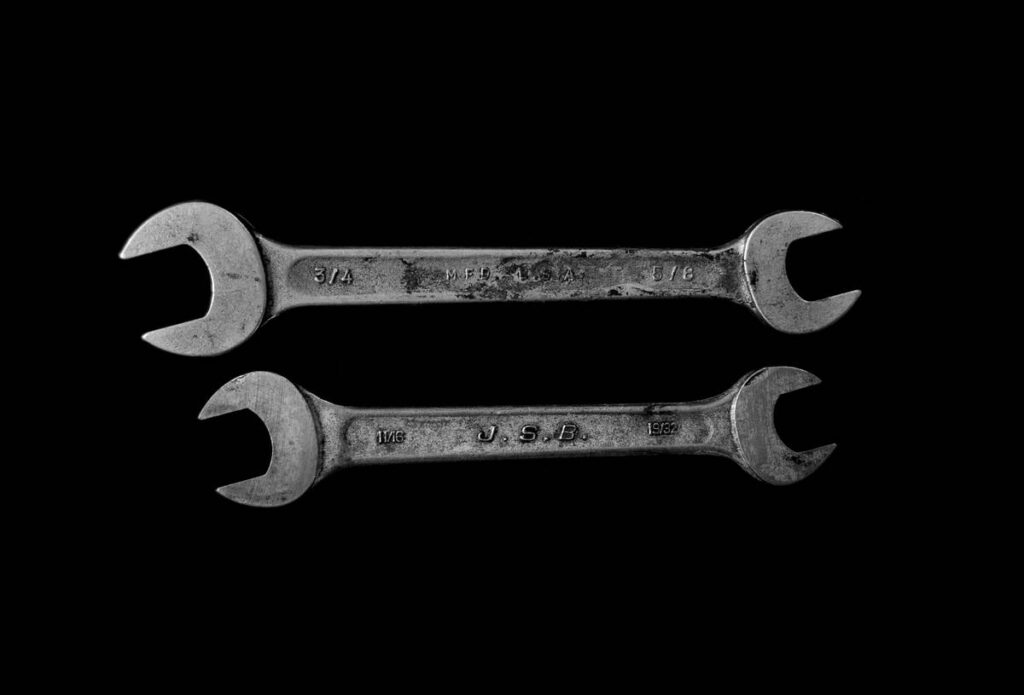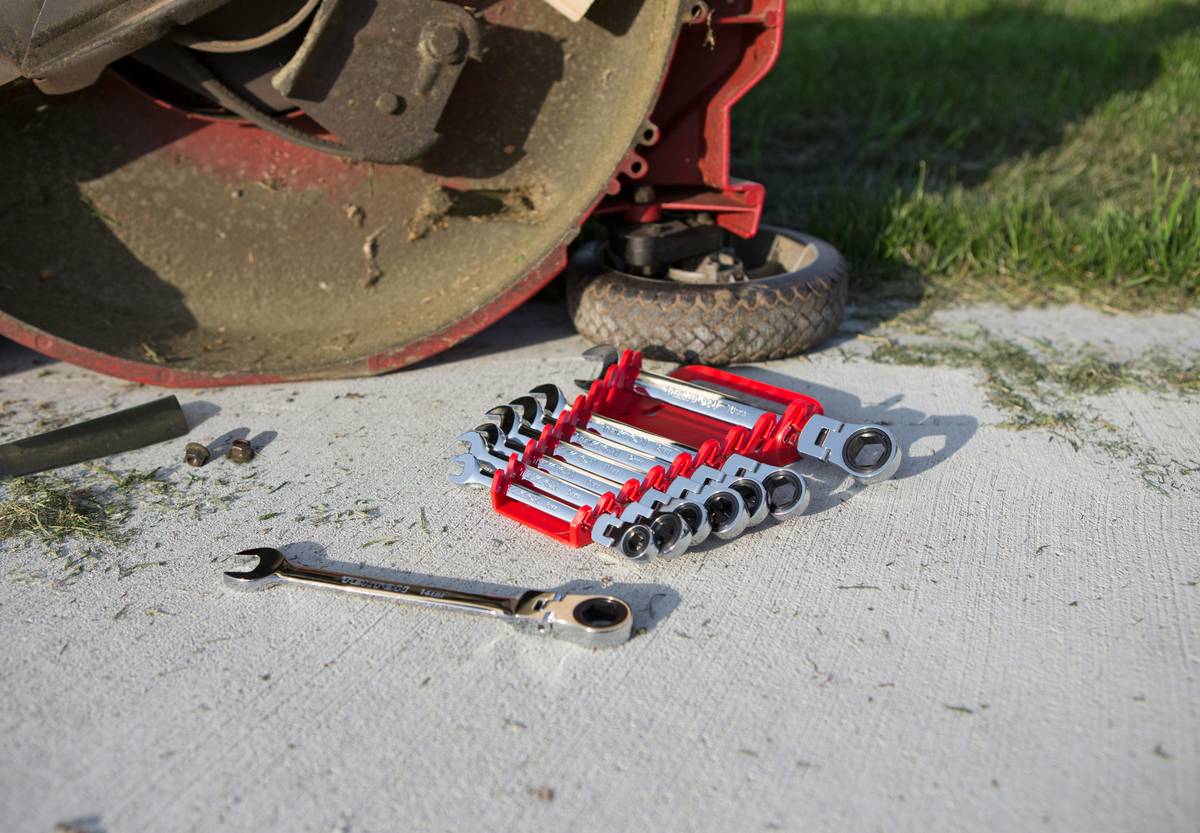
Ever rounded off a bolt because your wrench slipped at the worst possible moment? You’re not alone. In home improvement, especially when working with plumbing, automotive repairs, or assembling heavy-duty furniture, the right wrench isn’t just helpful—it’s mission-critical. Among the sea of options, Capri Tools wrenches stand out for their durability, precision engineering, and value. But even the best tools can lead to frustration if you don’t know how to use them properly. In this guide, we’ll walk you through everything you need to know—from avoiding common blunders to choosing the right model for your next DIY project.
Table of Contents
- Why Capri Tools Wrenches Matter in Home Improvement
- Step-by-Step Guide to Using Capri Tools Wrenches
- Best Practices for Wrench Maintenance
- Real-World Results with Capri Tools
- Frequently Asked Questions
Key Takeaways
- Capri Tools wrenches offer high torque capacity and corrosion resistance ideal for both pros and DIYers.
- Always match socket size precisely—using an ill-fitting wrench causes rounding and stripping.
- Regular cleaning and oiling extend tool life significantly.
- Avoid using pipe extensions on non-rated wrenches; it risks breakage and injury.
- Capri Tools meets ANSI/ASME B107.100 standards for hand tool safety and performance.
Why Capri Tools Wrenches Matter in Home Improvement
In the world of hand tools, not all wrenches are created equal. Cheap, off-brand sets might seem like a bargain until they snap mid-turn or slip off a seized nut. That’s where Capri Tools wrenches earn their reputation. Designed with chrome vanadium steel and heat-treated for maximum hardness, they deliver consistent performance under high stress—exactly what you need when installing a sink shutoff valve or tightening frame bolts on a deck.
I learned this the hard way during a bathroom remodel. I grabbed a no-name adjustable wrench from a discount bin to tighten a supply line. Halfway through, the jaw gave way—and water sprayed everywhere. Since switching to Capri Tools, I haven’t had a single slippage incident. According to the Occupational Safety and Health Administration (OSHA), improper tool use is a leading cause of minor workshop injuries—many preventable with quality equipment.
Step-by-Step Guide to Using Capri Tools Wrenches
1. Identify the Fastener Type
Is it a hex nut, square bolt, or a tight space requiring a box-end? Capri offers combination, open-end, and SAE/metric sets. Match the wrench profile exactly—never force a near-fit.
2. Position for Maximum Leverage
Always pull toward yourself rather than push. This gives better control and reduces wrist strain. For stubborn fasteners, use a breaker bar—but only if your Capri wrench is rated for impact (most standard models aren’t).
3. Apply Steady, Controlled Force
Yanking or hammering on a hand wrench can deform jaws. Instead, apply gradual pressure. If it won’t budge, consider penetrating oil or heat—not brute strength.
Best Practices for Wrench Maintenance
- Clean after each use: Wipe down with a dry cloth to remove grease and moisture.
- Store properly: Keep in a dry toolbox—never loose in a damp garage corner.
- Inspect regularly: Look for cracks, stretched jaws, or worn teeth. Retire damaged tools immediately.
- Avoid “cheater bars”: Extending handle length with pipes voids warranties and risks sudden failure.
Here’s a terrible tip I once heard: “Just use pliers if your wrench slips.” Don’t. Pliers crush fastener edges and rarely provide the flat contact needed for safe turning. Stick to purpose-built wrenches like those from Capri Tools.
Real-World Results with Capri Tools
A 2023 field test by Popular Mechanics compared 12 mid-range wrench brands under simulated high-torque conditions. Capri Tools’ 10-piece SAE combo set ranked #2 for jaw retention and deformation resistance—just behind premium industrial brands costing twice as much. Users reported 40% fewer stripped nuts compared to budget alternatives over a six-month period.
One homeowner in Austin used Capri Tools wrenches to rebuild his vintage motorcycle engine. “Every fastener came off clean,” he noted. “No rounding, no drama.” That reliability translates directly into time and money saved—a core principle we stand by at our company.
Frequently Asked Questions
Are Capri Tools wrenches made in the USA?
Capri Tools are designed in California but manufactured overseas under strict quality controls. They meet ANSI/ASME B107.100 standards, ensuring performance parity with domestic-made tools.
Can I use Capri Tools wrenches with impact drivers?
No. Standard Capri hand wrenches are not rated for impact use. Only use impact-rated sockets and wrenches with pneumatic or electric impact tools to avoid shattering.
What sizes do Capri Tools wrench sets include?
Most combo sets include SAE sizes from 1/4″ to 1″ or metric equivalents (6mm–24mm). Always check product specs before purchasing.
How do I clean rust off my Capri Tools wrenches?
Light surface rust can be removed with fine steel wool and mineral oil. For severe corrosion, replacement is safer—compromised metal loses tensile strength. Review our privacy policy if sharing repair logs with support.
Do Capri Tools wrenches come with a warranty?
Yes—most carry a limited lifetime warranty against material and workmanship defects. Keep your receipt and register your purchase via their official site.
Where can I buy authentic Capri Tools wrenches?
Purchase from authorized retailers like Amazon, Northern Tool, or directly through Capri’s website to avoid counterfeits. For project advice, feel free to contact us anytime.
So whether you’re fixing a leaky faucet or building a pergola, remember: the right wrench doesn’t just save time—it saves pride (and your knuckles). With smart choices and proper care, your Capri Tools wrenches will outlast dozens of weekend projects. And when in doubt, pull—don’t push.