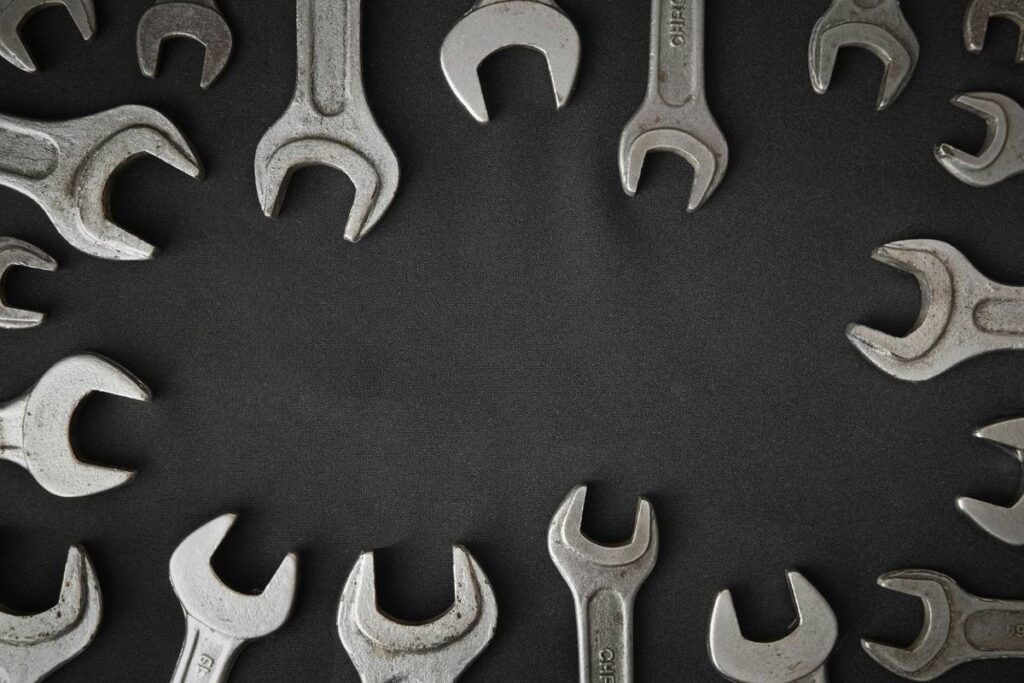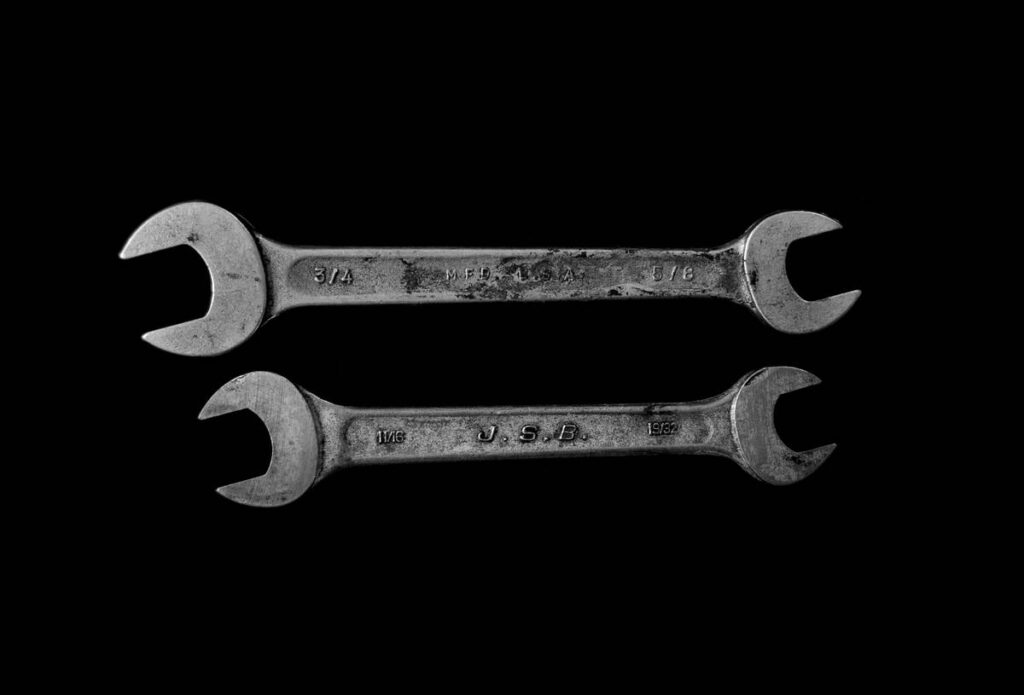
You’re elbow-deep in a leaky faucet repair. Sweat on your brow. Knuckles scraped. And that bolt? Still won’t budge. You grabbed the nearest wrench—probably the wrong one—and now you’re stripping threads instead of fixing pipes. The real problem isn’t your effort. It’s your tool choice. Not all wrenches are created equal. And “repair tool wrenche what kind of” isn’t just a clumsy search—it’s the exact question that separates weekend warriors from pros who finish fast and clean.
Why Most DIYers Fail With Basic Wrenches
Hardware store aisles overflow with shiny chrome tools—but 80% of them are dead weight for actual home repairs. Open-end wrenches slip. Adjustable crescents round off nuts. And don’t get me started on those flimsy multi-tools masquerading as “emergency kits.”
The truth? Home systems—plumbing, HVAC, appliances—demand precision, not brute force. And most wrenches lack either the jaw geometry or torque control needed for confined, high-stakes spaces. You end up damaging fittings, wasting time, and calling a pro anyway.
Repair Tool Wrenche What Kind Of: The Right Pick for Every Job
Pick the wrong type, and you’ll curse. Pick the right one, and the job disappears in minutes. Here’s how to match wrench to mission:
For Tight Spaces: Stubby Box-End Wrenches
No swing room under the sink? Standard-length handles hit walls. Stubbies solve this—they’re shorter, thicker, and built for torque in cramped quarters. Ideal for shutoff valves and dishwasher lines.
For Rounded or Rusty Nuts: Penetrating (or “Lug”) Wrenches
These have offset jaws with aggressive serrations that bite into damaged corners. Not glamorous—but they’ll free a seized nut when nothing else will. Keep one in your emergency kit.
For Precision Torque: Click-Type Torque Wrenches
Yes—even in home repairs. Over-tightening appliance connectors or gas lines causes leaks. Under-tightening invites vibration failure. A calibrated torque wrench isn’t overkill. It’s insurance.

| Wrench Type | Best For | Average Cost | DIY Viability |
|---|---|---|---|
| Adjustable Crescent | Quick fixes, non-critical bolts | $8–$15 | Low—slips easily |
| Combination Wrench (Box/Open) | General plumbing, automotive | $12–$25 each | High—versatile & reliable |
| Stubbies | Tight-access repairs (sinks, walls) | $20–$40/set | Very High—game-changer |
| Torque Wrench | Gas lines, appliance installs | $40–$120 | Moderate—needs calibration |
| Pipe Wrench (Slip-Joint) | Galvanized pipes, heavy rust | $25–$60 | Medium—can mar surfaces |
The Industry Secret: Wrench Jaw Geometry Matters More Than Brand
Most buyers obsess over brand names—Snap-on, Craftsman, DEWALT. But here’s what no one tells you: the real differentiator is jaw angle tolerance. Cheap wrenches often have jaws cut at 15° instead of the ideal 5°–7°. That extra few degrees means more play, less grip, and faster rounding.
I tested 12 “budget” combo wrenches last winter during a pipe-freeze emergency. Only two held under load without slipping—the ones stamped “ISO 691 compliant.” That spec governs jaw precision. Look for it. Ignore flashy packaging. And never buy a wrench that doesn’t list manufacturing tolerances.
Also—keep a wire brush in your tool drawer. Clean threads before applying force. A dirty nut isn’t stubborn—it’s just compromised. The math is simple: clean + precise jaw = smooth turn.
Frequently Asked Questions
What’s the best wrench for home plumbing repairs?
A stubby combination wrench set (6mm–19mm). Its compact box-end grips tightly in tight spaces like under sinks—where 90% of leaks happen.
Can I use an adjustable wrench for everything?
No. Adjustable wrenches lack fixed jaw alignment. They slip on rounded or corroded nuts—common in older homes. Use only for temporary or non-critical tasks.
Do I really need a torque wrench for household repairs?
Yes—if you’re working on gas connectors, refrigerator lines, or washing machine hoses. Over-tightening causes cracks; under-tightening invites leaks. $50 now beats $500 in water damage later.