You’re halfway through tightening a stubborn pipe under the sink—sweating, cursing—and your cheap adjustable wrench slips. Again. Now you’ve got a rounded nut, a leak that won’t quit, and zero confidence in your tool drawer. The real problem isn’t your skill. It’s that you grabbed the wrong wrench for a job it was never built to handle. But here’s the fix: understand diy project wrenche what kind of actually matters before your next hardware run—and stop buying junk that fails when pressure mounts.
Why Most DIYers Fail with the Wrong Wrench (And Ruin Their Projects)
Slipping. Stripping. Breaking bolts mid-turn. These aren’t “bad luck”—they’re symptoms of using a wrench designed for showroom photos, not real-world torque. Box-end wrenches get tossed aside for flashy ratcheting combos that lack jaw integrity. Open-end models? Often too thin to handle anything beyond light duty. And don’t get me started on those dollar-store “multi-tools” with chrome plating thinner than printer paper.
Worse—you’re probably overpaying for features you’ll never use. A 48-tooth ratchet sounds fancy until you realize your average home repair rarely needs micro-adjustments in tight spaces. Meanwhile, a solid 6-point box wrench costs half as much and delivers twice the grip.
DIY Project Wrenche What Kind Of: Your Step-by-Step Selection Guide
Pick based on physics—not packaging. Every fastener type demands a specific contact geometry. Match the tool to the task, not your ego or Instagram aesthetic.
Assess Your Fastener Type First
Is it a hex bolt? A square valve stem? A rusty union nut buried behind a water heater? Measure it with calipers—or better yet, eyeball it against known wrench sizes. Never guess. A 1/2″ vs. 13mm mismatch may seem trivial until metal shears.
Prioritize Jaw Design Over Brand Name
6-point box ends > 12-point. Always. More surface contact = less rounding. For confined spaces, go offset box-end—not swivel-head gimmicks that wobble under load. And if you’re working near live electricity? Insulated handles aren’t optional—they’re non-negotiable.
Budget Smartly—Not Cheaply
Spend once, cry once. A $25 Craftsman set outperforms three $10 discount racks combined. But you don’t need Snap-on prices for hanging shelves. Know your breaking point—and stay below it.
| Project Type | Recommended Wrench | Avoid At All Costs | Estimated Cost Range |
|---|---|---|---|
| Plumbing (under-sink valves) | Adjustable wrench with laser-etched scale + 10mm/12mm box set | Slip-joint pliers posing as wrenches | $20–$40 |
| Furniture Assembly | Small ratcheting combo wrench (8–14mm) | Standard open-ended sets with no ratcheting | $15–$25 |
| Outdoor Grill or Bike Maintenance | Metric socket wrench kit + T-handle adapter | Imperial-only kits (most modern grills/bikes use metric) | $30–$60 |
| Emergency Auto Repairs | OEM-style flare-nut wrenches (for brake lines) | Universal “one-size-fits-all” wrenches | $25–$50 |
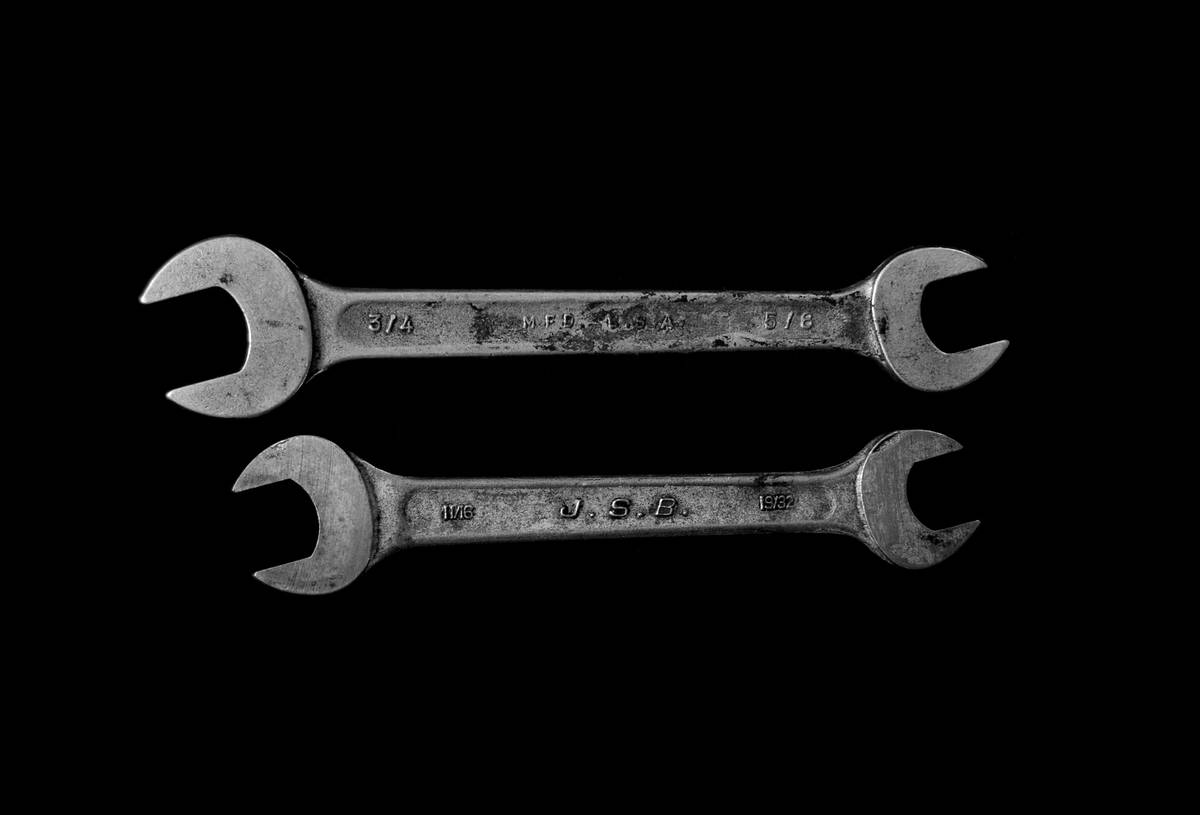
The Industry Secret: Wrench Torque Isn’t About Strength—It’s About Leverage Control
Here’s what big-box store clerks won’t tell you: most stripped bolts happen not from insufficient force—but from inconsistent application. Pros don’t muscle through resistance. They use controlled incremental torque. Start snug. Tap the wrench handle with a rubber mallet to break corrosion. Then turn in quarter-turn pulses—not one heroic yank. This technique works even with mid-tier tools. And if you’re using a cheater bar? You’ve already lost. Real control comes from wrist finesse, not pipe extensions.
Also—keep a spare 1/4″ drive ratchet in your glovebox. Not for power. For precision. Those tiny fasteners on appliance panels? They snap if you breathe too hard with a full-size socket. Go small. Go slow.
FAQ
What’s the best wrench for beginners doing simple home repairs?
A 6-piece SAE/metric combo set with 6-point box ends and moderate offsets. Skip ratcheting until you’ve worn out your first basic set.
Can I use an adjustable wrench instead of a socket wrench?
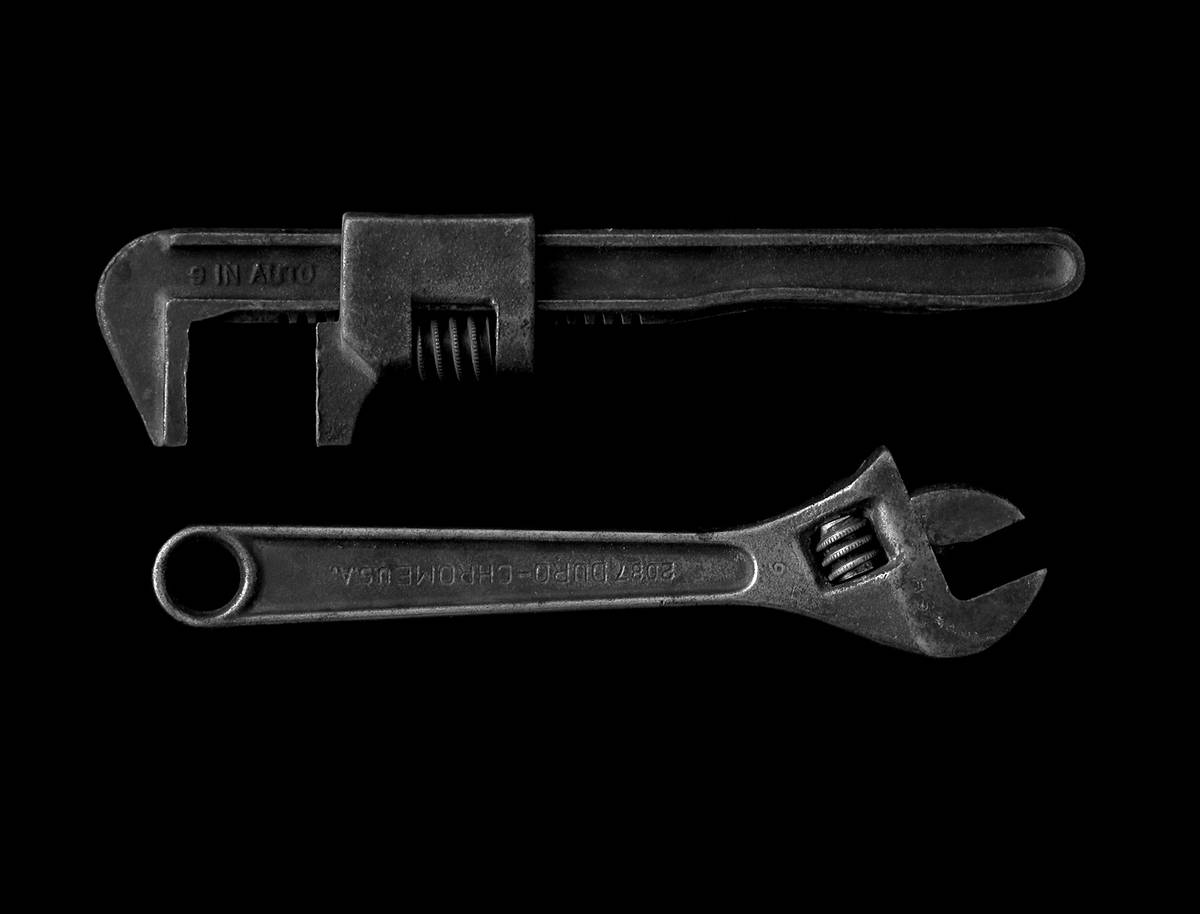
Only if the fastener isn’t corroded or under high tension. Adjustable wrenches flex—they don’t lock like sockets. Use them for light plumbing, not engine work.
How do I know if my wrench is worn out?
Test it on a new nut. If the jaws slip after hand-tightening—or show visible widening at the opening—it’s scrap metal now.