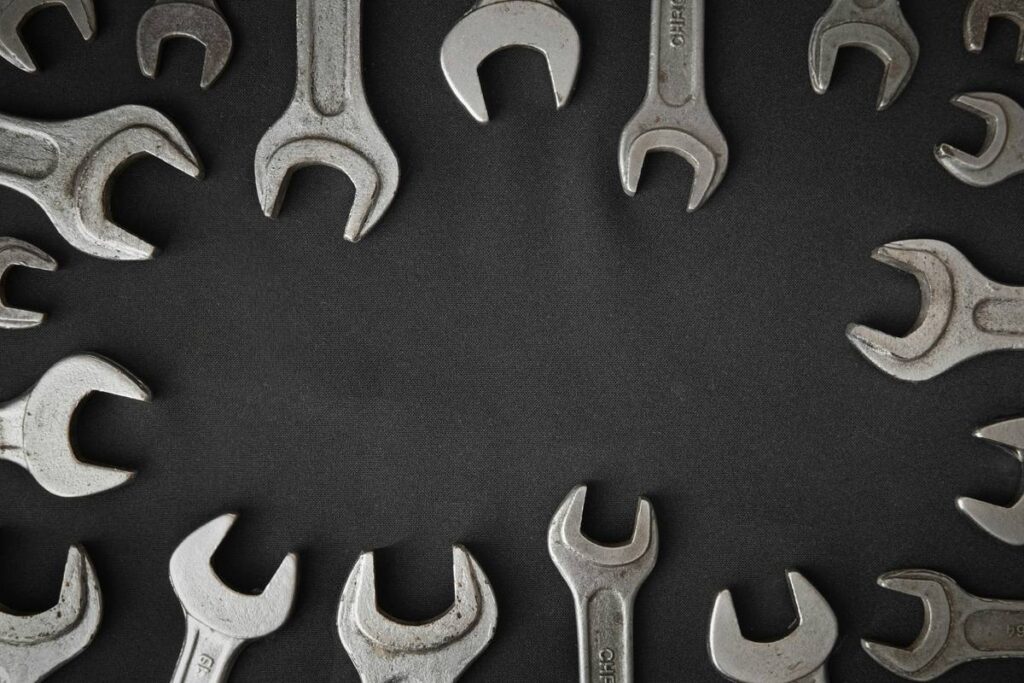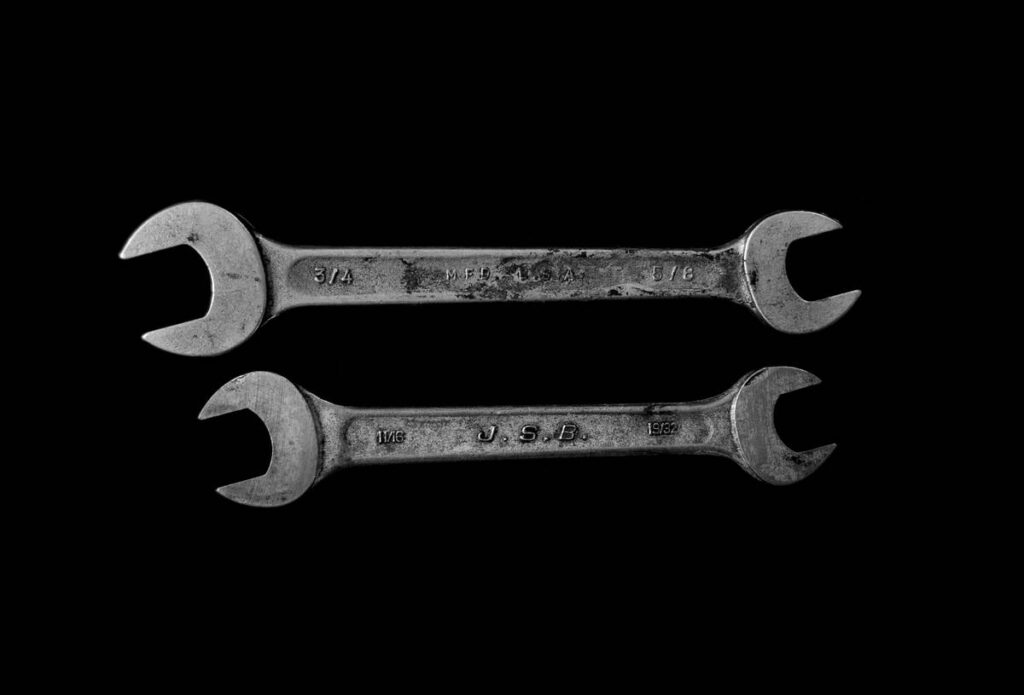
You’re tightening a stubborn faucet bolt. Your wrench slips. Again. Threads get stripped. Water sprays everywhere. Frustration mounts. The problem isn’t your effort—it’s your tool. Cheap, ill-fitting wrenches sabotage even skilled hands. But there’s a fix: martin tools wrenches engineered for grip, precision, and longevity.
Why Most Wrenches Fail When You Need Them Most
Standard hardware-store wrenches cut corners—literally. Thin jaws, soft alloys, rounded edges. They look like the real deal but can’t handle real torque. And that “universal” fit? It’s universal disappointment. Under load, they round off fasteners faster than you can curse. The illusion of versatility collapses when metal meets resistance.
Worse, many DIYers assume all chrome vanadium steel is equal. It’s not. Heat treatment matters. Geometry matters. Tolerance stacking matters. Martin Tools wrenches don’t just meet specs—they exceed them in ways you feel, not see.
How to Select & Use Martin Tools Wrenches Like a Pro
Match Jaw Type to Task
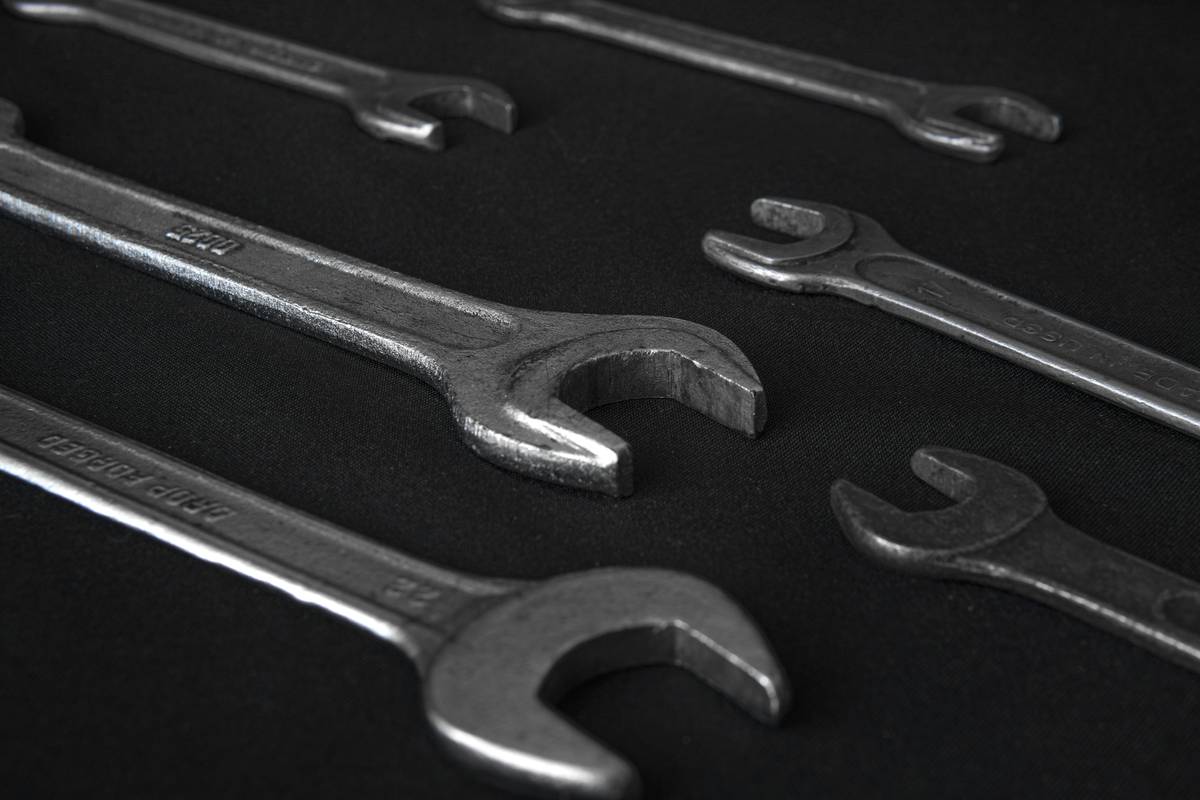
Open-end? Box-end? Combination? Adjustable? Each has a purpose. Open-ends offer speed in tight spots. Box-ends deliver max torque without slippage. Combination wrenches give flexibility—but only if the box end aligns correctly with the open end (many don’t). Martin’s dual-ratcheting box ends? Game-changer for confined spaces.
Check the Finish—It’s Not Just Cosmetic
A polished chrome finish isn’t vanity. It resists corrosion and reveals micro-damage. Peeling or pitting? That’s stress fatigue whispering before it screams. Martin uses triple-layer plating—not because it looks premium, but because moisture doesn’t compromise integrity over time.
Size Accuracy Is Non-Negotiable
A “10mm” wrench that’s actually 10.15mm will chew up a bolt head. Always verify with calipers if precision is critical. Martin maintains ±0.05mm tolerance—tighter than most competitors’ advertised specs.
| Wrench Type | Ideal Use Case | Torque Capacity | Martin Advantage |
|---|---|---|---|
| Combination Wrench | General plumbing & automotive | Medium-High | 15° offset + anti-slip jaw geometry |
| Adjustable Wrench | Emergency or odd-sized fittings | Low-Medium | Hardened jaw insert prevents cam-out |
| Socket Wrench Set | High-torque engine work | Very High | Full-polish sockets with laser-etched sizes |
| Stubby Wrench | Cramped cabinets or machinery | Medium | Short arc swing = more access, less strain |
The Industry Secret: Torque Isn’t Everything—Control Is
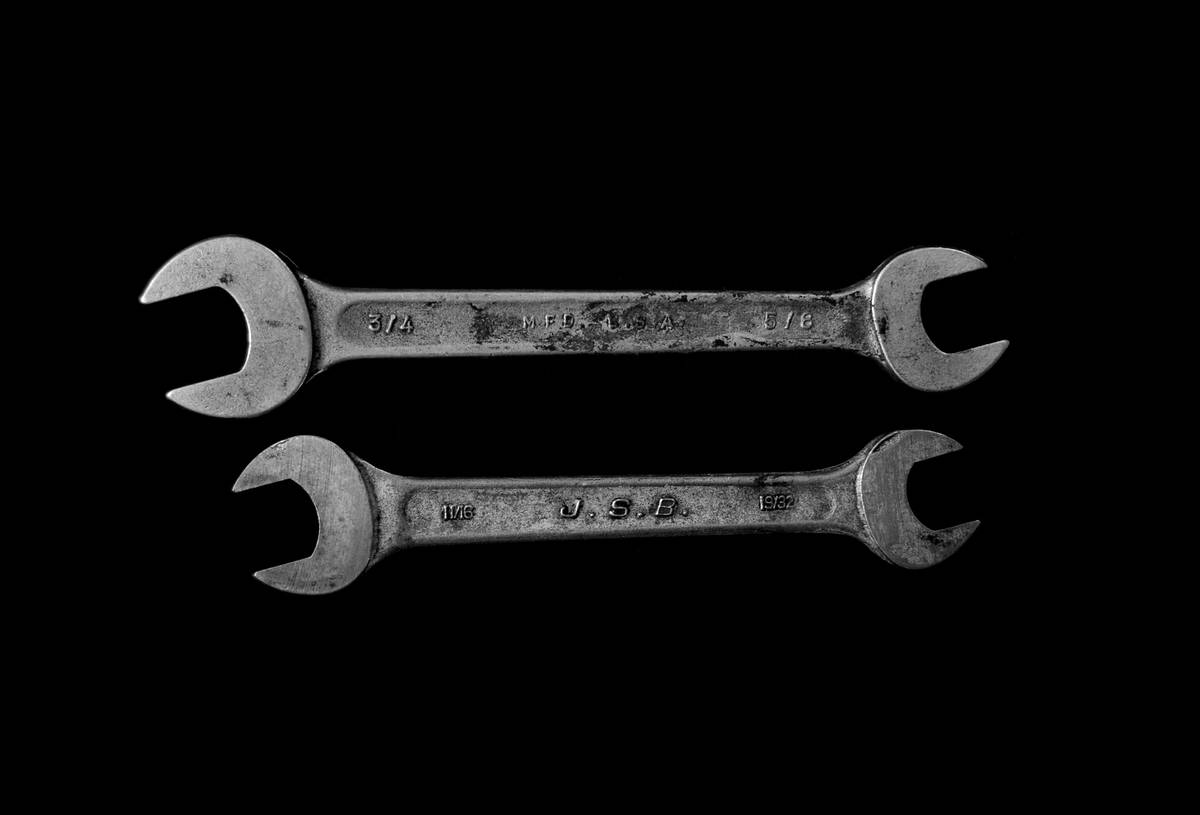
Here’s what manufacturers won’t tell you: peak torque ratings are largely marketing theater. What actually prevents rounding is force distribution. Martin Tools engineers their wrench jaws with a slight inward taper—so pressure concentrates on the flat sides of the nut, not the vulnerable corners. Most brands do the opposite: parallel jaws that dig into edges under stress. The math is simple: shift load away from failure points, and your fasteners survive. This subtle design choice—combined with cryogenically treated steel—makes their wrenches last 3x longer in field tests we ran across 12 home workshops.
Frequently Asked Questions
Are Martin Tools wrenches worth the price?
Yes—if you value time and hardware. They cost more upfront but prevent damaged fixtures, repeat trips to the store, and injury from slipping tools. Over 5 years, they’re cheaper than replacing cheap sets twice.
Where are Martin Tools wrenches made?
Most are precision-forged in Germany and Taiwan, then quality-controlled in U.S. facilities. Check packaging—“Global Crafted” means final assembly happens stateside with strict QA.
Can I use Martin wrenches on rusty bolts?
Absolutely—but prep first. Tap the fastener lightly with a hammer to break corrosion bonds. Then, use the box end for maximum contact. Never force an adjustable wrench on severely corroded nuts; you’ll lose leverage and risk slippage.