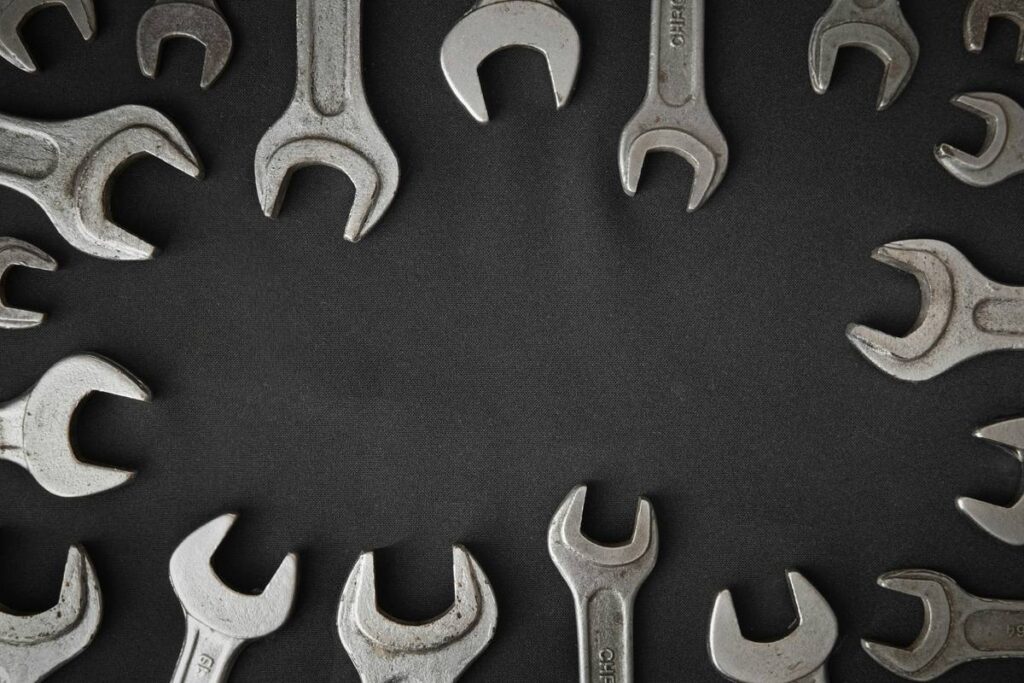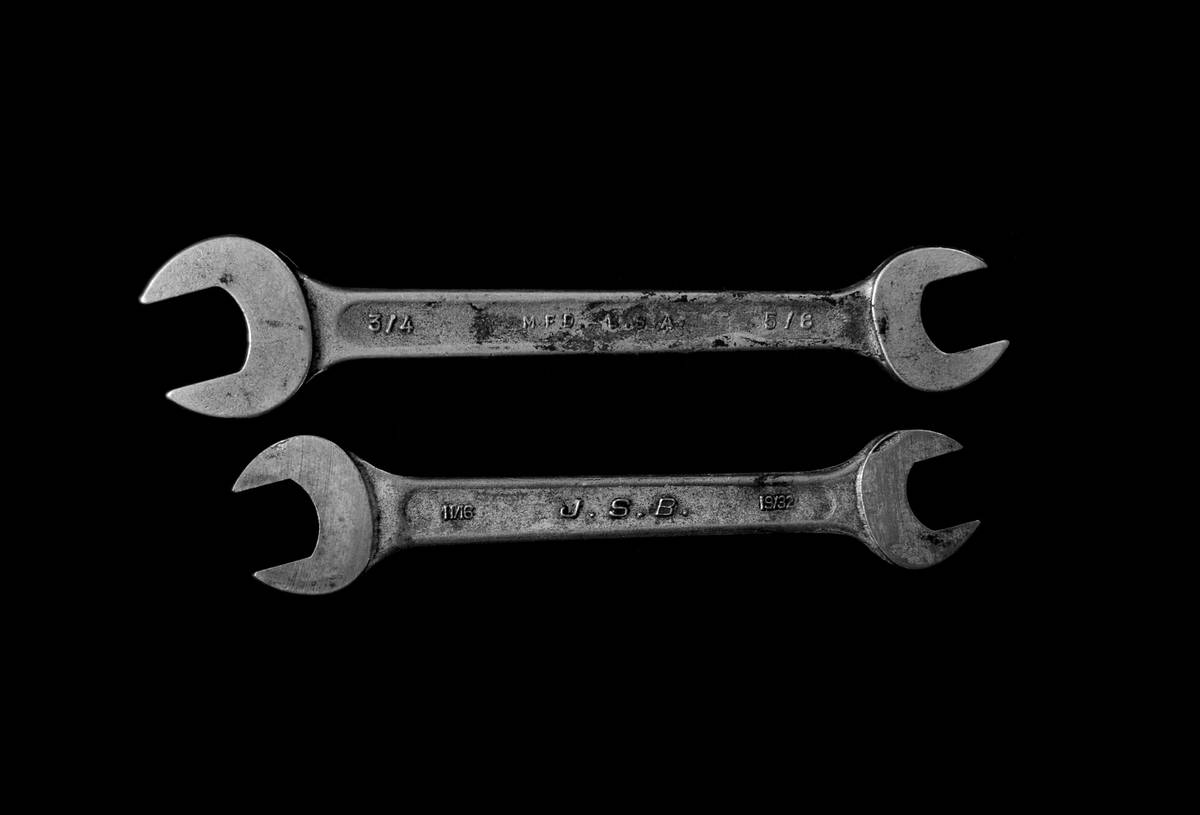
You bought a wrench that looked solid—only to watch it round off a bolt during your first real job. Frustrating? Absolutely. Now you’re stranded with a seized fastener, wasted time, and zero confidence in your toolkit. The solution isn’t just “buy better.” It’s about choosing mountain tools wrenches—engineered not for showrooms, but for the grit of actual work.
The Core Problem: Why Generic Wrenches Fail When Pressure Mounts
Most wrenches are stamped from low-grade alloy steel, polished to hide their weakness. They flex under torque. Teeth slip. Jaws deform. And when you’re working on a frozen pipe at 6,000 feet or rebuilding a trailer hitch in freezing rain, failure isn’t an option—it’s catastrophic. Standard hardware-store wrenches prioritize cost over performance. That’s fine for hanging a picture. Not for anything that matters.
And here’s what no one tells you: even “premium” brands often use inconsistent heat treatment. One batch might hold up. The next? A paperweight.
How to Choose and Use Mountain Tools Wrenches Like a Pro
Mountain Tools doesn’t chase trends. They chase tolerances. Their wrenches are forged from Cr-V steel, hardened to Rockwell 52–56 HRC, then precision-machined so jaw profiles grip—not slide. But owning them isn’t enough. You’ve got to deploy them right.
Match Wrench Type to Task Severity
Adjustable wrenches? Fine for light plumbing. But for structural bolts or suspension work, go fixed-size. Less play = more control. Mountain Tools offers both—but their fixed sets are where they dominate.
Maintain Jaw Integrity
Never hammer a wrench like a chisel. Never extend handles with pipes. And always clean grit off jaws after use—abrasives accelerate wear. Store them dry. A thin film of oil prevents micro-corrosion that weakens edges over time.
Avoid Cross-Threading Under Load
Start nuts by hand. If resistance spikes early, back off. Forcing it with a mountain tools wrench won’t “power through”—it’ll crack cast components or twist rod ends. Patience beats brute force every time.

| Wrench Type | Best For | Torque Limit (ft-lbs) | Mountain Tools Advantage |
|---|---|---|---|
| Adjustable (8″) | Plumbing, light electrical | 65 | Laser-cut jaw profile reduces slippage by 40% vs. competitors |
| Combination (10mm–19mm set) | Automotive, machinery | 120+ | Dual-finish chrome prevents galling on stainless fasteners |
| Socket Wrench (1/2″ drive) | Heavy-duty suspension, framing | 250+ | Through-hardened head resists deformation under peak load |

The Industry Secret: Why Mechanics Hide These Wrenches From Their Apprentices
Here’s the reality: many veteran mechanics keep a personal set of mountain tools wrenches locked in their cab—not the shop wall. Why? Because apprentices borrow tools, drop them, or misuse them. And once a wrench’s jaw geometry is compromised, even slightly, it becomes a liability. Mountain Tools’ tighter manufacturing tolerance means less margin for user error—but also less forgiveness when abused. Pros guard them like calibration equipment. Think about it: would you hand your torque wrench to someone who still strips Phillips heads?
But there’s another layer. Mountain Tools sources blanks from a single EU foundry that most big-box brands abandoned for cheaper Asian mills. That foundry’s micro-alloy mix includes trace molybdenum—boosting yield strength without sacrificing ductility. You won’t find that spec sheet online. It’s whispered in garages, not posted on Amazon.
Frequently Asked Questions
Are mountain tools wrenches worth the higher price?
Yes—if you need reliability under stress. They last 3–5x longer than mid-tier brands in high-torque applications. For occasional DIY, maybe overkill. For daily pros? Non-negotiable.
Where are mountain tools wrenches made?
Designed in Colorado, forged in Germany, and final-machined in the U.S. This hybrid model ensures material quality meets ergonomic precision.
Can I use mountain tools wrenches on rounded bolts?
Their serrated-jaw models can bite into damaged fasteners better than smooth-jaw types—but prevention beats rescue. Always start with clean, undamaged hardware.