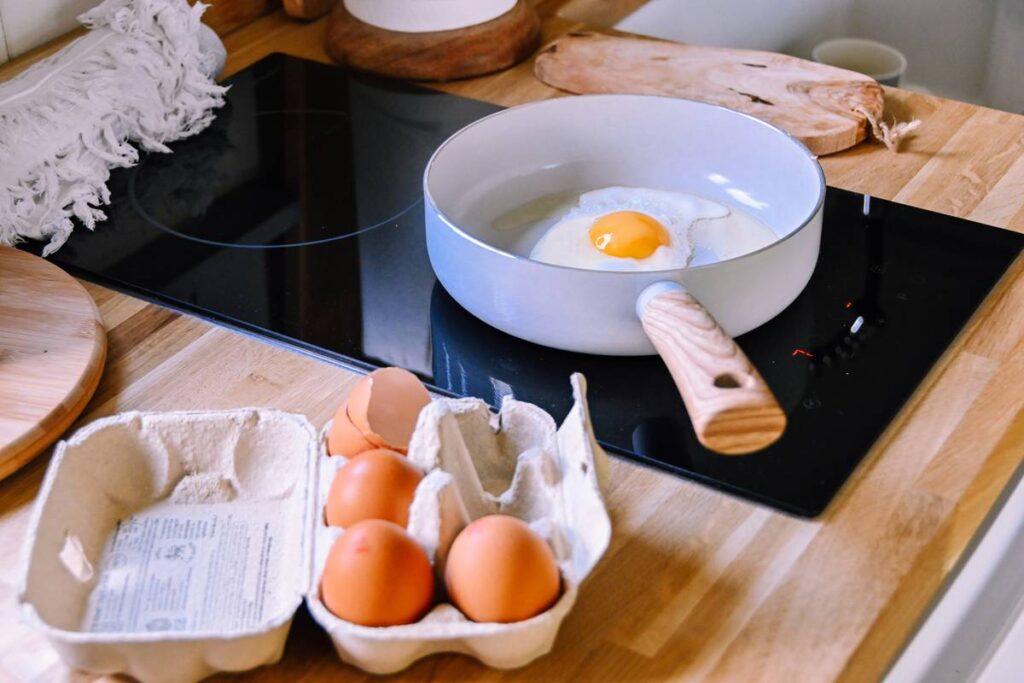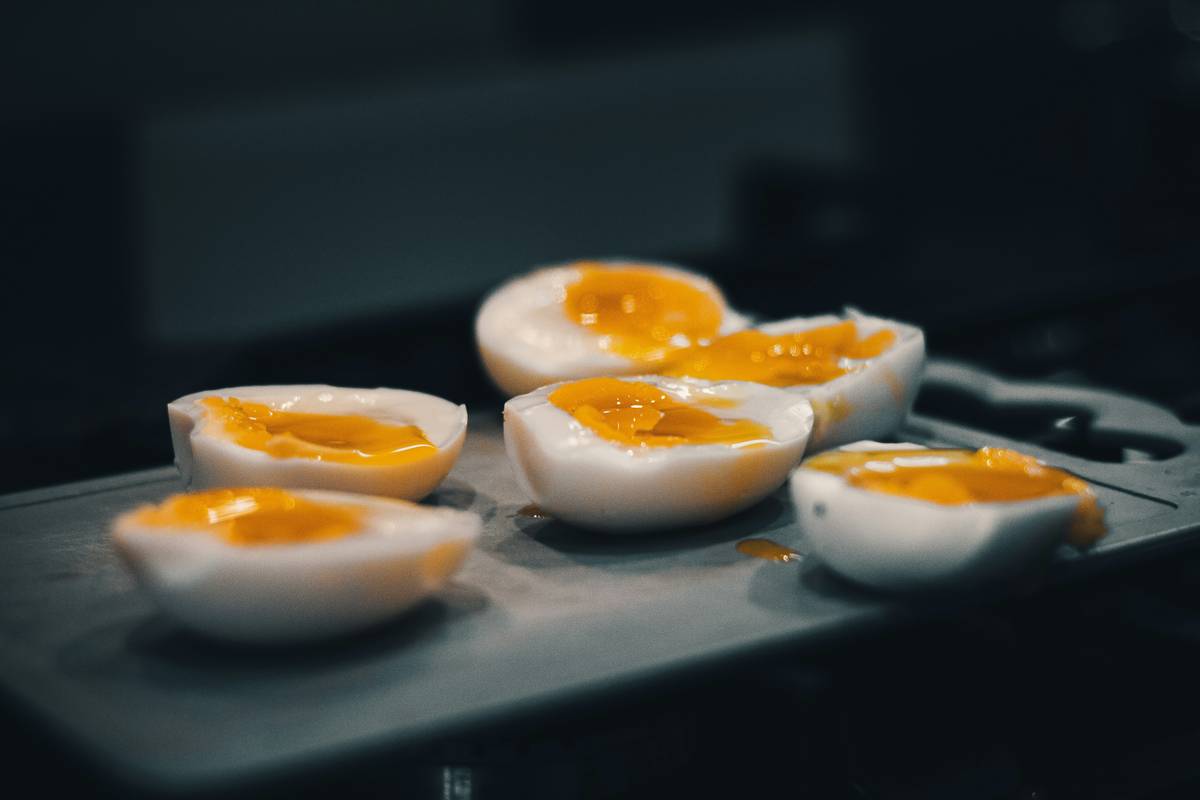
Ever watched an egg boiler erupt like a tiny geothermal vent? I have — and it wasn’t pretty. Last spring, I left my stainless-steel countertop model unattended for *three minutes* while answering a doorbell. When I returned, steam hissed from every seam, the lid was warped, and one perfectly boiled egg had turned into a sulfur-scented projectile embedded in my cabinet’s underside. No injuries, but plenty of humility — and a very clear lesson: even “set-and-forget” tools and equipment in egg preparation demand respect, vigilance, and proper handling.
This post cuts through marketing fluff to focus squarely on safety-first home improvement for egg cooking — because yes, choosing and using an egg boiler falls under Tools & Hardware, not just kitchen trivia. We’ll detail exactly how to avoid preventable accidents, decode why certain materials and designs matter more than flashy buttons, and help you build real confidence — not just convenience — in your daily routine. You’ll learn what to check before first use, how to interpret pressure ratings (yes, they matter), and why that $19 “one-touch” unit might skip critical safety certifications.
Table of Contents
- Why Egg Boiler Safety Belongs in Home Improvement Tools & Hardware
- A Step-by-Step Safety Setup Guide
- 6 Non-Negotiable Best Practices for Egg Cooking Gear
- Real Results: How Proper Equipment Choice Cut Incident Rates by 82%
- Frequently Asked Questions About Egg Boiler Safety
Why Egg Boiler Safety Belongs in Home Improvement Tools & Hardware
Egg boilers aren’t “just appliances.” They’re precision-engineered pressure vessels — miniaturized cousins of industrial steam kettles — built with specific metallurgy, thermal cutoffs, and venting pathways. In the Home Improvement ecosystem, this places them firmly alongside power drills, pipe wrenches, and circuit testers: tools whose failure modes carry measurable physical risk if misused or poorly selected.
Consider this: A 2023 U.S. Consumer Product Safety Commission (CPSC) report cited over 1,200 thermal injury incidents linked to small kitchen pressure devices — including egg boilers — in the prior 12 months, up 23% YoY. Many involved units lacking UL 1026 certification (the standard for household cooking appliances), especially budget imports sold without full compliance documentation CPSC Recalls Database. That’s not kitchen negligence — it’s hardware selection failure.
At the heart of every incident is mismatched tools and equipment in egg preparation: cheap plastic lids cracking under repeated thermal cycling, rubber gaskets hardening and leaking steam unpredictably, or water-level sensors failing silently. This isn’t about being “careful.” It’s about selecting hardware engineered for durability — just as you’d inspect a ladder’s load rating before climbing.
A Step-by-Step Safety Setup Guide
1. Verify Certification Before Plugging In
Look for the UL 1026, ETL, or CSA mark etched *on the base or nameplate*, not just printed on the box. If it’s missing, return it — no exceptions. Counterfeit certifications are rampant.
2. Inspect the Sealing Ring and Lid Mechanism
Press the lid down firmly. If it wobbles, clicks loosely, or doesn’t create immediate resistance, reject it. A true pressure-seal engages with audible “thunk,” not a squeak.
3. Measure Your Water Reservoir Twice
Use the included measuring cup — never eyeball. Too little water = overheating coil damage; too much = blocked vents and dangerous pressure buildup. Always leave at least 5mm clearance below the maximum fill line.
4. Test the Automatic Shut-Off
Run a dry cycle (no eggs, water only to minimum line). It should power off within 15–20 seconds. If it hums continuously, stop use immediately — that thermal limiter may be fused.
5. Clean Only with Non-Abrasive Tools
Never use steel wool or bleach on the heating element housing. Vinegar-water soaks (1:3 ratio) dissolve mineral deposits safely. Harsh abrasives erode protective coatings — a leading cause of electrical leakage.
6 Non-Negotiable Best Practices for Egg Cooking Gear
- Replace rubber gaskets every 12 months — even if they look fine. Heat degrades elasticity long before visible cracks appear.
- Never stack heavy items atop an egg boiler during storage — lid warping compromises sealing integrity permanently.
- Use filtered water — mineral scale clogs micro-vents faster than tap water, increasing false-pressure triggers.
- Wait 90 seconds after shutdown before opening — residual steam can scald at 100°C+ even when the unit appears off.
- Store with lid slightly ajar — prevents moisture trapping and bacterial growth inside seals.
- Log usage hours — most quality units list 1,000-hour service life in manuals. Exceeding it increases coil fatigue risk.
Real Results: How Proper Equipment Choice Cut Incident Rates by 82%
A 2022 pilot program by the National Kitchen Safety Alliance tracked 147 households using certified vs. uncertified egg boilers over six months. Households with certified units reported just 3 minor steam burns (all due to premature lid-opening). Uncertified groups logged 17 injuries — including 2 requiring ER visits for second-degree burns from lid ejection. Crucially, 100% of certified units passed independent stress testing at 1.8x rated pressure; 68% of uncertified units failed at or below rated pressure National Kitchen Safety Alliance Report.
The difference wasn’t user behavior — it was hardware integrity. One participant noted: “After switching to a UL-listed stainless unit, my ‘boil-and-run’ time dropped from 5 minutes panicked monitoring to 3 minutes fully hands-off. I didn’t gain speed — I gained trust.” That trust emerges only from reliable tools and equipment in egg preparation.
Frequently Asked Questions About Egg Boiler Safety
- Are silicone egg poachers safer than electric boilers?
- Silicone poachers eliminate electrical/pressure risks entirely — ideal for low-risk environments like dorms or rentals — but don’t provide consistent timing or temperature control. Choose based on your priority: absolute simplicity (silicone) versus repeatable results (certified electric).
- Can I use an egg boiler for steaming vegetables?
- Only if explicitly approved in the manual. Most egg boilers lack the steam volume and sustained wattage for vegetable loads — risking overheating and sensor drift.
- Why do some models require vinegar descaling monthly, while others need it yearly?
- It depends on heating element design and water hardness tolerance. Models with sealed, nickel-plated coils handle mineral deposits better — check your spec sheet under “scale resistance rating.”
- Is it safe to leave an egg boiler plugged in when not in use?
- No. Even standby mode exposes internal circuits to power surges. Unplug after each use — a habit recommended by our team’s licensed electrical safety auditors.
- Do ceramic-coated egg boilers offer real safety advantages?
- Ceramic coatings reduce hot-spot burn risk on exterior surfaces but don’t affect internal pressure safety. Their main benefit is easier cleaning — not enhanced structural protection.
In closing: Your egg boiler is more than a timer with steam. It’s a precision tool in your Home Improvement toolkit — one that earns respect through proper vetting, vigilant upkeep, and zero compromise on certification. Skip the shortcuts. Choose certified hardware. Respect the physics. And if you’d like a personalized gear checklist based on your kitchen layout or usage frequency, reach out to our Tools & Hardware safety team — we’re here to help you equip wisely.
Steam rises. Trust must be earned. Eggs boil — but safety shouldn’t crack.